

























































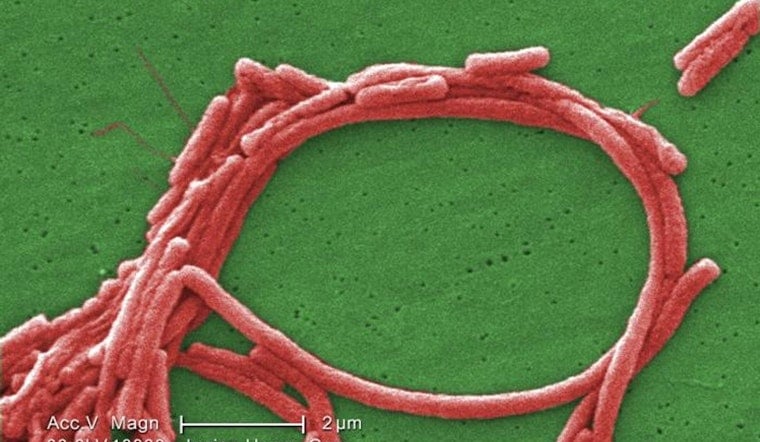
Franklin County health officials are investigating several cases of Legionnaires’ disease in the Frankfort area, but they are urging residents not to let the diagnosis outrun the facts. Officials say the overall risk to the public remains low, and investigators have not identified a common source.
The Franklin County Health Department’s environmental and epidemiology teams are working with the Kentucky Department for Public Health to determine whether the patients shared an exposure, according to WAVE. The public notice did not identify a specific building, water system or number of cases. According to the Kentucky Cabinet for Health and Family Services, the state maintains a 'Foodborne and Waterborne Outbreak Investigation' manual that guides response to waterborne disease events. Kentucky's Administrative Register includes 'Notifiable Infectious Conditions and Notifiable Non-Infectious Conditions Requiring Priority', indicating that the state formally tracks reportable diseases through official surveillance channels.
Legionnaires’ disease is a serious form of pneumonia caused by breathing in tiny water droplets that contain Legionella bacteria. The CDC explains that the illness generally does not spread from person to person and can be linked to complex plumbing systems, showerheads, hot tubs, decorative fountains and cooling towers.
What Frankfort Residents Should Watch For
Symptoms can include fever, cough, shortness of breath, muscle aches and headaches, WAVE reports. Most people exposed to Legionella do not become sick, while those who develop Legionnaires’ disease typically recover with antibiotics.
Adults 50 and older, current or former smokers, people with chronic lung disease and those with weakened immune systems face a higher risk of serious illness, according to the CDC. Anyone who develops pneumonia-like symptoms should contact a health care provider and mention the possible exposure.
Health Officials Offer Household Water Safety Tips
As the investigation continues, officials recommend regularly cleaning and disinfecting devices that create water mist, including humidifiers and showerheads. They also advise flushing faucets and showerheads that have gone unused for at least a week, maintaining water-using medical devices such as CPAP machines according to manufacturer instructions, and setting water heaters to 140°F while taking steps to prevent scalding, according to WAVE.





