

























































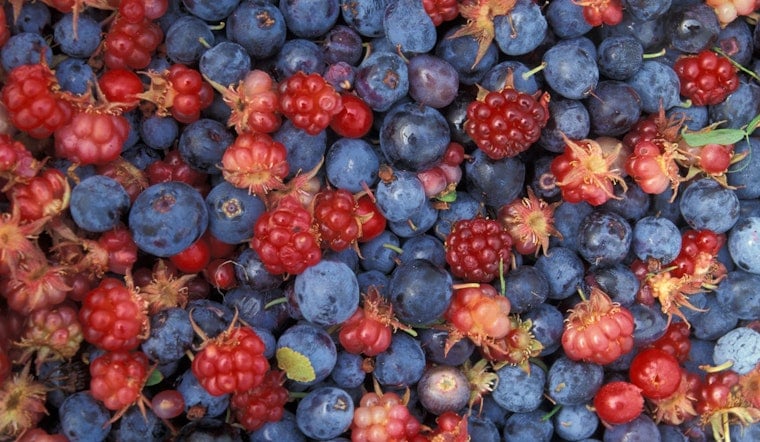
Oklahoma’s fruit season was gearing up for a banner year, then Mother Nature pulled the plug. Wild temperature swings from an unusually warm February to a punishing March freeze have wiped out large stretches of the state’s berry and stone‑fruit crops, shutting down pick‑your‑own patches and leaving family farms staring at steep financial losses. Growers across central and western Oklahoma report that blueberries, blackberries, peaches and apricots that set after the early warmth were wiped out when the mercury crashed, leaving orchards with very little fruit to sell.
As reported by The Oklahoman, the one‑two punch of an unseasonably warm February followed by a hard March freeze pushed trees and bushes into early bloom, then stripped buds and blossoms when the cold rolled in. Growers quoted in that reporting describe near‑total crop failure on some farms and note that the damage is already thinning out local supply. The paper places this year’s losses in the context of a broader pattern of volatile spring weather across Oklahoma.
Local farms hit hard
On the ground, the numbers come with a human face. KOCO reported that Agape House Berry Farm in Mustang has shut down for the entire season after a late frost “decimated” its blueberry rows and ruined much of its blackberry crop, wiping out all expected sales. In central Oklahoma, KJRH visited Livesay Orchards in Porter, where owners estimate they lost roughly 70% of their peaches and described firing up helicopters and overhead irrigation in emergency efforts to fight the frost. Stories like these are echoing across pick‑your‑own operations and small orchards around the state.
Why the spring backfired
Weather specialists are mostly telling the same story, just with more charts. Warm late‑winter temperatures coaxed trees into budding and blooming ahead of schedule, then a late cold snap hit the tender buds when they were at their most vulnerable. Oklahoma Farm Report and USDA briefings link that pattern to broader seasonal volatility that has been associated with El Niño conditions and shifting jet‑stream patterns. A Washington Post interactive on early bloom dates likewise showed cities across the Plains seeing blossoms arrive up to weeks earlier than normal this year, which raises the odds that an ordinary late freeze can deliver extraordinary damage.
What it means for shoppers and prices
All of that lost fruit in the field shows up at the register. With fewer local tons of berries and stone fruit available, grocers are already looking farther afield to fill shelves, a move that will likely nudge prices higher for summer favorites, according to The Oklahoman. The squeeze is not limited to Oklahoma either. FreshPlaza reported that April freezes cut into peach volumes in Colorado, tightening a regional supply chain that usually helps cover local shortfalls. For shoppers, that combination could mean slimmer selections at farmers markets and supermarkets, along with higher price tags as summer rolls on.
Relief and next steps
Growers are not entirely at the mercy of the forecast, even if it sometimes feels that way. OSU Extension offers detailed guidance on frost‑protection strategies, careful variety selection and orchard management practices that can help reduce the risk from late freezes in future seasons. Producers with losses this year are also being urged to contact their local USDA Service Center and to look into disaster‑assistance and crop‑insurance options outlined on USDA protection and recovery pages. At the same time, local farm groups and co‑ops are working to help salvage what fruit remains and to support u‑pick operations as they navigate the financial fallout.
For a specialty‑fruit sector that already runs on thin margins, this spring’s hit will ripple through markets and farm plans well into next year. We will continue to track harvest updates, extension advisories and federal assistance announcements as Oklahoma growers regroup and rebuild for the seasons ahead.





