

























































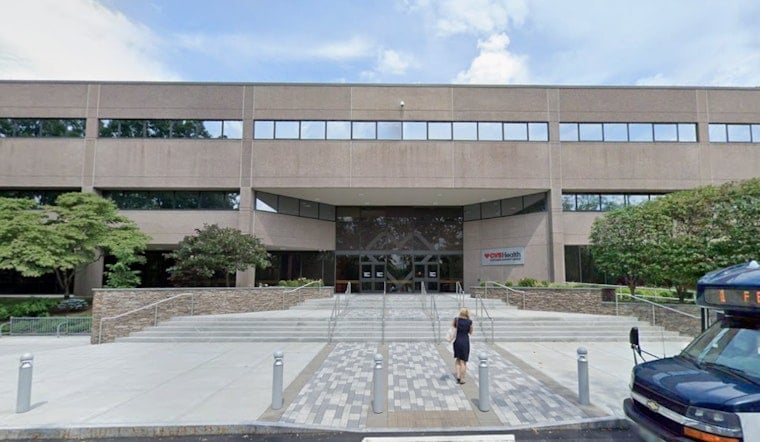
Federal regulators have cut a sweeping deal with CVS Caremark that could shake up how pharmacy benefit managers decide which drugs make the cut and how rebates are handled, with the potential to trim what patients pay at the counter across the country. Announced July 14, the settlement is projected by the FTC to secure up to $8.5 billion in consumer savings over the next decade, with another $4.5 billion possible if rebates are consistently pushed through at the pharmacy counter. The agreement also bars Caremark from blocking or meddling with hub pharmacies that help patients track down lower-cost options. For people in the Cleveland area who rely on insulin or other pricey medications, the changes could mean noticeable relief on yearly prescription bills, although real savings will depend on whether employers and plan sponsors actually choose the new options.
According to the Federal Trade Commission, the proposed consent order forces Caremark to stop discriminating against drug versions that share the same low wholesale-acquisition-cost and to offer plan sponsors a standard design that passes rebates through at the point of sale. That means members would pay based on the real net price of a drug, not the higher list price that has traditionally driven copays and coinsurance. “The settlement with Caremark brings billions in real savings to consumers feeling the pinch from excessive prescription drug prices,” FTC Chair Andrew N. Ferguson said in the announcement.
CVS Caremark, for its part, argued that many of the settlement’s requirements reflect practices it already uses and framed the deal as a way to wrap up ongoing litigation and investigations while keeping its affordability programs moving. In a press release via CVS Health, Executive Vice President Ed DeVaney said the company will promote point-of-sale rebate passthrough, expand affordability initiatives that include insulin caps, and shift what independent pharmacies are paid toward acquisition-based reimbursement models.
How Clevelanders Could See Lower Costs
Local coverage notes that the settlement’s headline-grabbing savings will only hit home if employers and insurers elect the pass-through options for their members. As reported by Cleveland.com, the FTC’s math stitches together direct changes to formulary rules and rebate structures with broader point-of-sale passthroughs to arrive at the projected $8.5 billion and $4.5 billion figures.
Where the Savings Come From
Regulators say the root problem has been a rebate-driven system that favored drugs with high list prices because pharmacy benefit managers and their group purchasing organizations collected fees tied to those list prices. That setup pushed manufacturers to keep ratcheting list prices higher, which in turn left patients stuck with bigger copays and steeper coinsurance. Industry coverage notes that the Caremark terms track closely with an earlier settlement the FTC reached with Express Scripts earlier this year and are designed to pull the market away from rebate guarantees and spread pricing models. Background on how those mechanics show up in patients’ bills is laid out by Healthcare Dive.
Legal Details and Enforcement
The consent agreement comes with monitoring requirements and a 30-day public comment window before the order can be finalized, according to the FTC. Once in force, it would require Caremark to preserve programs that cap insulin out-of-pocket costs for members, bar unfair interference with hub service providers, separate standard manufacturer fees from list prices in its offerings, and boost transparency for plan sponsors, all as described in the agency’s announcement.
What to Watch Next
Timing will be key. The FTC and Caremark still have to pin down schedules for rolling out the new standard products, and many members will not see immediate changes at the counter unless employers or plan sponsors affirmatively opt into point-of-sale passthrough designs. Industry reporting also notes that the settlement anticipates a future in which purchases made through the federal TrumpRx marketplace could count toward deductibles in certain plans once regulators set up the necessary pathways, a twist that could shift where patients buy some drugs and how quickly they feel a break at pickup.
The agreement resolves a headline antitrust clash without a cash fine on the table, and its promised billions in consumer savings will depend on decisions by carriers and employers, ongoing regulatory oversight, and months of implementation work. For Clevelanders, the practical takeaway is straightforward: keep an eye on plan notices and pharmacy receipts over the next year, because the total on the screen at the register may start to change.





