

























































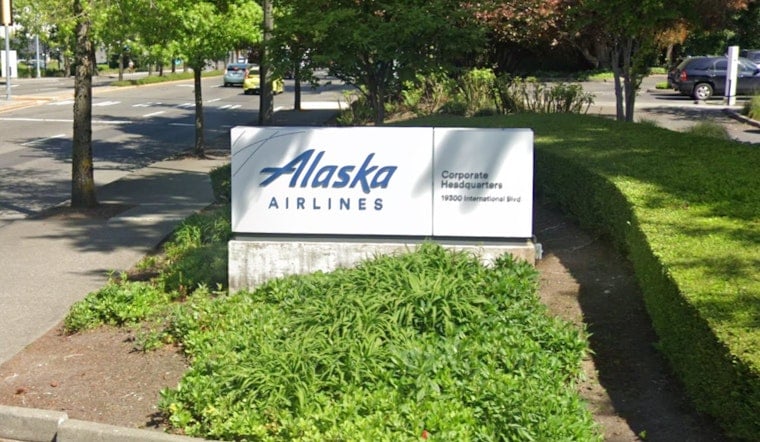
Alaska Air Group logged a $76 million GAAP net loss in the second quarter after a sudden spike in fuel prices torpedoed what executives say would have been a solidly profitable spring. The Seattle-based carrier said its economic fuel cost ran about $4.43 per gallon, adding roughly $600 million to expenses for the period. Management pointed to better unit revenue and smoother operations as partial offsets, but not enough to punch through the fuel hit.
In its quarterly update, Alaska Air reported a GAAP pretax margin of (5.3%) and an adjusted net loss of $102 million, while revenue climbed about 10% to roughly $4.1 billion. “Absent the fuel headwind, we would have delivered a solidly profitable quarter,” CEO Ben Minicucci said in a statement. The company also disclosed that it raised $1 billion in financing during the quarter to shore up liquidity as fuel markets tightened, according to a release from Alaska Air Group.
Seattle’s own fuel reality did not help. AAA pegged the average price of unleaded in the city at $5.05, and GasBuddy analyst Patrick De Haan told KIRO 7 that two California refineries being offline, combined with Washington’s cap-and-invest rules, left the West Coast especially exposed. “Washington state's Cap-and-Invest program is a huge thorn in the side of an airline like Alaska,” De Haan said. For a carrier so tied to Seattle and the broader region, that local squeeze helps explain why the fuel pain cut so deep.
Industry and investor reaction
Markets and aviation watchers largely cast the quarter as a story of fuel costs getting the last word. Coverage highlighted the $76 million GAAP loss and the roughly 85% year-over-year jump in economic fuel costs to about $4.43 per gallon, along with Alaska’s assumption that third-quarter fuel will land closer to $3.75 per gallon. Analysts told investors that Alaska’s revenue trajectory, progress on integration, and cargo growth could set up a rebound if fuel prices calm down, as reported by Investing.com.
What it means for Sea-Tac travelers
For people flying in and out of Sea-Tac, the math is familiar. Instead of across-the-board fare spikes, higher fuel costs often creep in through add-ons and fees. Hoodline previously reported that Alaska and other airlines have ratcheted up checked-bag fees, a move many local travelers say has made family trips noticeably pricier. Industry advisors note that frequent flyers with elite status or co-branded credit cards are still cushioned from some of the sharpest fee increases.
Executives stressed that the $1 billion in fresh financing has strengthened Alaska’s balance sheet, and said that as fuel markets normalize they plan to use excess liquidity to pay down debt. The company flagged the potential for a “meaningful inflection” in the third quarter if refining margins ease, and it has scheduled an investor day in September to outline longer-term goals. Management also pointed to a return to profitability in June as evidence that the quarter’s red ink was primarily about the fuel shock. For now, both Wall Street and Sea-Tac regulars will be eyeing West Coast refinery output and global oil trends as the clearest tells on whether this hometown carrier’s recovery sticks; the company’s detailed results are posted by Alaska Air Group.





