

























































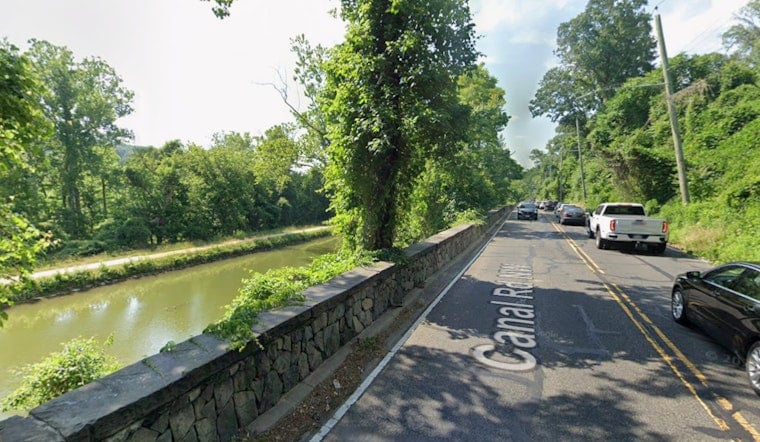
Next week, anyone living, working or studying near Georgetown University is in for some noise. DC Water is set to kick off controlled underground blasting for the Potomac River Tunnel, starting the week of July 13, which means loud booms, brief shaking and short traffic stoppages as crews dig deep shafts and lower tunnel-boring machines under the hill above Canal Road. Officials say workers will rely on air-horn signals and quick rolling closures to clear the area before each blast.
In a project notice, DC Water explains that contractors will excavate two mining shafts, each about 103 feet deep, to lower and launch a pair of tunnel-boring machines for the 5.5-mile Potomac River Tunnel. The agency says crews will track noise and ground vibrations and coordinate with DC Fire and EMS, the Metropolitan Police Department and the National Park Service to keep the public safe.
When And Where To Expect Noise And Stoppages
The work will start with test blasts, then shift into a more regular rhythm of detonations about every two weeks after testing, and the controlled blasting could run into June 2027, according to WJLA. Drivers, cyclists and pedestrians on Canal Road NW between the Georgetown University entrance and Foxhall Road NW should be ready for roughly five-minute stops during each operation, and additional sidewalks or roads may be closed during those short windows.
How Crews Will Warn The Public
DC Water’s blasting advisory spells out a clear horn sequence so people know what is coming: three long horn blasts five minutes before a detonation, five short blasts one minute before, then a single prolonged horn signal when crews declare the area all clear. The advisory states that each blast will be detonated in a controlled manner and that workers will keep continuous vibration and noise monitoring in place while flaggers temporarily close trails and lanes to protect the public; see the project’s blasting notice from DC Water for full details.
Why The Tunnel Matters
The blasting is an early step toward building a roughly 5.5-mile tunnel designed to capture combined sewer overflows and send them to the Blue Plains treatment plant instead of into the Potomac, according to industry coverage from Tunnels & Tunnelling. That reporting notes the new system is expected to reduce overflow volume by about 93% and cut the number of overflow events from roughly 74 a year to around four once the tunnel is operating. The project is drawing extra scrutiny after the January 19 collapse of a portion of the Potomac Interceptor earlier this year, which triggered federal oversight of river sampling and a regional cleanup response by the EPA.
How Neighbors Can Prepare
DC Water says it will send reminders ahead of scheduled test blasts and will post flaggers on site during each operation. The agency lists a project hotline at 202-972-1388 and an email address at [email protected] for questions and alerts. Officials advise that if you notice sustained or unusual vibrations or see any potential safety hazards during blasting, you should call 9-1-1 or DC Water’s 24-hour emergency line.





