

























































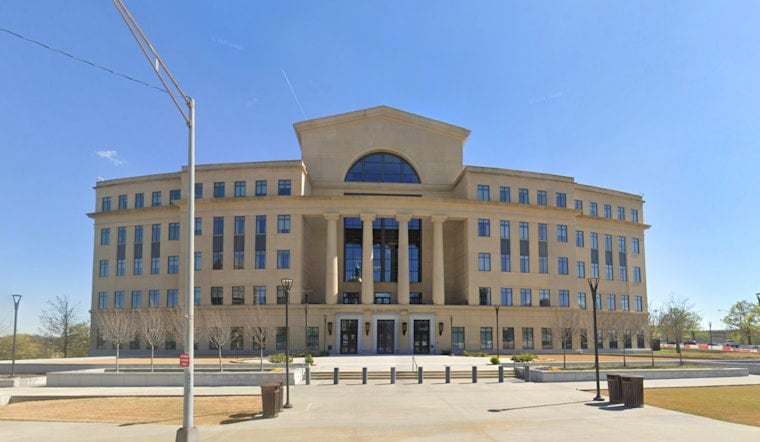
In a sharply worded June 10 opinion, the Georgia Court of Appeals vacated part of a trial-court order in a set of Henry County Schools race-discrimination suits after finding the judge had signed an order that leaned on a proposed draft packed with fabricated legal citations. The decision bluntly warned judges and lawyers that generative AI can churn out convincing but nonexistent authorities unless every citation is checked the old-fashioned way: by hand against real cases.
What the appeals court found
The panel reversed key portions of the lower court's ruling, vacating the Title VII finding against the school district and sending the cases back for another look, after concluding the order "contains multiple legal errors" and relied on at least one "hallucinated" case, according to the Court of Appeals of Georgia opinion. The judges called it "troubling" that such an order was even submitted and "regrettable" that the trial court did not catch the mistakes.
Why judges and lawyers are on notice
The opinion uses the Henry County mess to spotlight a national problem: generative AI can spit out plausible but nonexistent cases or twist what real opinions actually say, creating a slick but fake veneer of authority. As reported by CBS News Atlanta, AI legal expert Cat Casey said "large language models are basically really good guessers," which means any output still has to be checked against primary sources if lawyers want to stay out of trouble.
Echoes of the Georgia Supreme Court's rebuke
The appeals panel's warning comes on the heels of a May decision from the Georgia Supreme Court, which vacated a trial order and sanctioned a Clayton County prosecutor after justices found AI-generated bogus citations in filings, according to FindLaw. In that earlier ruling, the high court suspended the assistant district attorney's privilege to practice before it for six months and ordered additional ethics and AI training.
How widespread is the problem?
Researcher Damien Charlotin maintains a public database that tracks court decisions and filings tainted by AI "hallucinations"; his tracker lists roughly 1,700-plus incidents worldwide. CBS News Atlanta has separately noted more than 1,600 documented incidents and multiple examples in Georgia, underscoring why appellate panels are flagging AI-generated authority as a serious threat, according to Damien Charlotin's database.
Legal implications for Georgia cases
The rulings make it clear that courts are not interested in shortcuts. Filings that rely on fabricated or misattributed authority risk getting vacated, drawing sanctions, and triggering bar referrals. The Henry County opinion sends the suits back for reconsideration under proper legal standards and instructs trial courts to independently evaluate any proposed orders, per the opinion.
What to watch next
The remanded Henry County suits now head back to the trial court for fresh rulings, and local bar leaders may tighten or clarify guidance on AI use in filings and proposed orders. Hoodline will be keeping an eye on new filings, any disciplinary moves, and whether court clerks or judges start adopting tougher citation-verification practices.




