

























































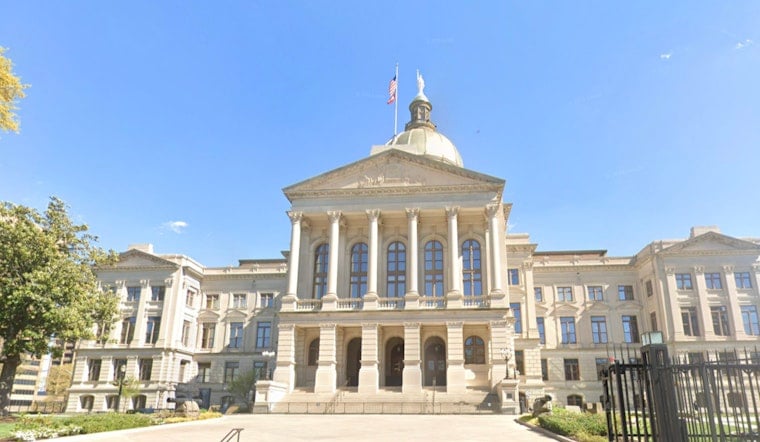
Georgia has rolled out a new Safe at Home program that quietly packs a big punch for survivors of domestic violence, sexual assault, human trafficking and stalking. Starting last Wednesday, when the law behind it took effect, eligible residents can apply for a legal substitute mailing address and other privacy protections, all run out of the Secretary of State’s office. The goal is simple but critical: keep participants’ home addresses off most state and local public records while they work on rebuilding their lives.
What the program does
The Safe at Home initiative offers three core protections, according to the Georgia Secretary of State. Participants get a designated substitute address for use on public records, their first-class mail is forwarded from that address to their confidential residence, and their voter registration records are sealed so they can cast a ballot without exposing where they live.
Secretary of State Brad Raffensperger has described the program as “one part of a broader effort to support survivors” and a tool to help people move forward with more peace of mind. Once someone is approved, they receive an enrollment packet along with a Safe at Home identification card, which they can present when dealing with government offices that need an address.
Who can apply and how
To qualify, applicants must live in Georgia and be survivors of domestic violence, sexual assault, stalking, human trafficking or other eligible situations where making their home address public could put them in danger, CBS News Atlanta reports. The application includes a sworn statement, signed under penalty of perjury, explaining why the program is necessary for the person’s safety. People who live in the same household as an eligible survivor can be listed as co-applicants so the entire household is covered.
To make the process less overwhelming, Certified Advocate Assistants are being trained across Georgia to walk survivors through the forms and help them gather any documentation they need to submit.
How it works with public records and voting
Once enrolled, participants must tell the state and local agencies they deal with to start using the Safe at Home substitute address in place of their actual residence. The Secretary of State’s office then forwards First-Class mail from that substitute address to the participant’s confidential home, the Atlanta Journal-Constitution reports.
Under the law, the substitute address appears on public voter lists, but a participant’s voting precinct is still tied to their real residence so they receive the correct ballot. Lawmakers signed off on roughly $252,000 in start-up funding to get the program off the ground and allow applications to begin this week.
Legal framework
The General Assembly created Safe at Home in 2024 through Senate Bill 324, which is codified at O.C.G.A. § 50-18-150, according to the Georgia Secretary of State. By law, a participant’s confidentiality can be broken only in limited situations, such as when ordered by a court. Certification in the program lasts four years and can be renewed.
Officials say they developed the program’s rules with input from advocacy groups and victim-serving organizations around the state so that the new protections would match what survivors and service providers say they actually need.
Why advocates say it matters
Advocates are calling Safe at Home a historic step for survivors who, until now, had few tools to stop an abuser from using public records to track them down. The Georgia Coalition Against Domestic Violence praised the rollout, saying the program will help survivors rebuild their lives without constant fear, the Atlanta Journal-Constitution reports.
The outlet also noted that certified family violence agencies handled roughly 110,000 crisis calls in 2024, a number that underscores just how many Georgians could potentially benefit from stronger privacy protections like these.
To learn more or to apply, survivors and advocates can call 470-312-2766 or email [email protected]. Certified Advocate Assistants across Georgia can also help survivors complete the enrollment paperwork.




