

























































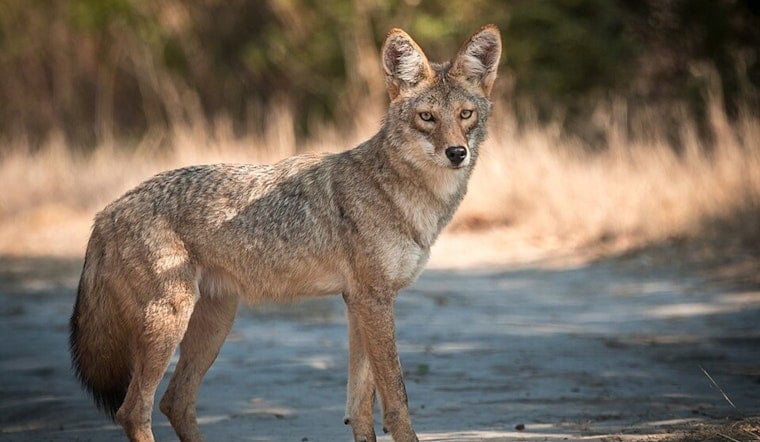
A pack of wild coyotes has been roaming Glendale, turning an ordinary neighborhood wildlife sighting into a timely reminder for pet owners: the hills are not the only place these animals travel. The animals may be keeping to themselves, but small pets are another story.
FOX 11 Los Angeles reported Wednesday night that a pack of wild coyotes had been spotted roaming around Glendale. The report did not identify an exact street or give a count for the group, and it did not describe an attack, leaving the sighting as a neighborhood alert rather than a reported emergency.
Glendale's Advice Is Simple And Loud
The City of Glendale says coyotes are regular visitors in local neighborhoods, with the Verdugo Mountains and other open spaces providing habitat while streets, channels and landscaped corridors can serve as travel routes. The city maintains an interactive animal-sightings map and directs residents to report routine wildlife concerns to Pasadena Humane at (626) 792-7151.
For aggressive wildlife emergencies, Glendale tells residents to call 911; the Glendale Police Department's non-emergency number is (818) 548-4911. The city also warns that feeding coyotes or leaving food accessible to them is prohibited under Glendale law.
Why Coyotes Keep Crossing Into City Blocks
California's Department of Fish and Wildlife says coyotes are intelligent, social and highly adaptable, living in family groups across rural, residential and urban areas. The agency warns that trash, pet food and other easy meals can cause coyotes to become food-conditioned or lose their natural fear of people.
The sighting comes amid a run of Southland wildlife encounters. A lone coyote was spotted near Gregory Way in Beverly Hills on July 13, according to Hoodline's recent report, which said the animal briefly entered a front yard before moving on.
Pasadena Humane advises keeping small dogs and cats indoors or closely supervised, walking dogs on short leashes, securing trash and pet food, and hazing a coyote with loud noises, waving arms or sprayed water if it approaches. Coyotes generally avoid people, but any animal that follows, lunges at or makes contact with a person should be treated as an immediate safety concern.



.jpg)