

























































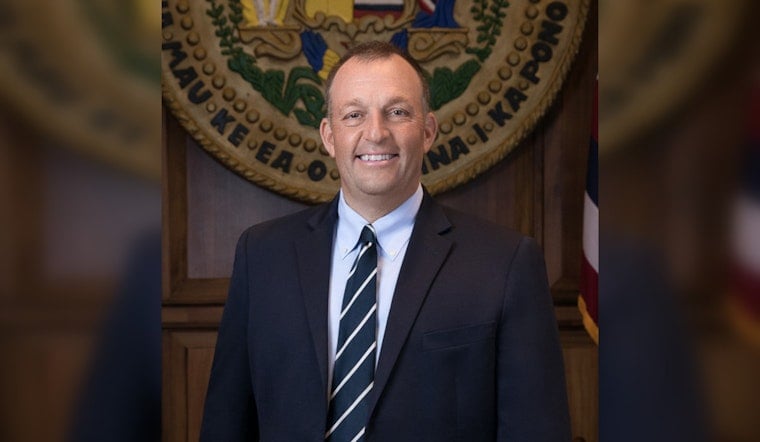
Gov. Josh Green signed off on a pair of environmental bills on Wednesday that tie a new cesspool conversion loan fund to a fresh co-management framework for the Department of Land and Natural Resources. The twin measures are pitched as a practical one-two punch, giving homeowners a cheaper way to finance upgrades while giving local groups clearer authority to help care for public lands and waters across Hawaiʻi.
What Passed
In a news release from the Office of the Governor, officials confirmed that Green signed HB 2218 (now Act 203) and HB 1618 (now Act 204) at a ceremony on Wednesday. HB 2218 authorizes the Department of Land and Natural Resources to enter into community co-management agreements with qualified community-based organizations and spells out how groups apply, report and stay accountable. Under the law, approved partners can take on work such as invasive-species removal, habitat restoration, shoreline protection and environmental education.
How The Loan Fund Will Work
HB 1618 creates a Cesspool Conversion Revolving Loan Fund and tasks the Hawaiʻi Green Infrastructure Authority with running it. The agency is empowered to offer low-interest or even forgivable loans to eligible homeowners, consistent with the details in the bill. The measure also authorizes the Department of Health to transfer money each year from the Water Pollution Control Revolving Fund to seed the program, and it sets aside $203,750 to hire a program manager to get the effort off the ground.
HGIA Executive Director Gwen Yamamoto Lau told Hawaiʻi Public Radio that the authority is aiming to launch the program by the end of the year. She also noted that Honolulu is contributing $625,000 to buy down interest rates for Oʻahu homeowners who apply.
Why It Matters
Cesspools remain a significant source of pollution statewide. A Department of Health report prepared after Act 125 found that nearly 88,000 inventoried cesspools are collectively sending about 53 million gallons of wastewater into groundwater and nearshore waters every day. At the current pace of roughly 400 conversions a year, as reported by Hawaii Business, Hawaiʻi is nowhere near the scale needed to meet the 2050 requirement to get rid of cesspools.
County estimates and local reporting put the typical per-household cost of conversion in the tens of thousands of dollars, which is a nonstarter for many families. That steep price tag is one of the main reasons lawmakers moved to create new financing tools that are supposed to be easier to access and less punishing on household budgets.
What Comes Next
From here, implementation shifts to HGIA and the Department of Health. HB 1618 authorizes the authority to set program rules, contract with outside administrators if needed and file annual reports to the Legislature on the projects it funds. The modest initial appropriation for a single staff position is meant to stand up the program, but advocates and policy watchers already say a far larger pool of money will be necessary if Hawaiʻi wants conversion work to happen at scale.
Officials expect HGIA to chase additional partnerships with counties and look for philanthropic support while it hammers out underwriting standards and borrower terms. Those details will determine how accessible the loans really are and how much pollution reduction the state can realistically expect.
Local Reaction And Limits
Community groups and conservation advocates have largely welcomed the new co-management structure, calling it overdue recognition of place-based stewardship and the on-the-ground expertise in local organizations. At the same time, some warn that cheaper loans alone will not fix aging infrastructure or dramatically accelerate conversions without more direct public investment.
“Protecting Hawaiʻi’s natural resources requires strong community partnerships and practical investments,” Green said in the statement announcing the bill signings. In the coming months, observers will be watching how quickly HGIA translates its new legal authority into a real, user-friendly loan product and whether counties and the Legislature put more money on the table to reach low- and moderate-income homeowners.



_1cropped).jpg)