

























































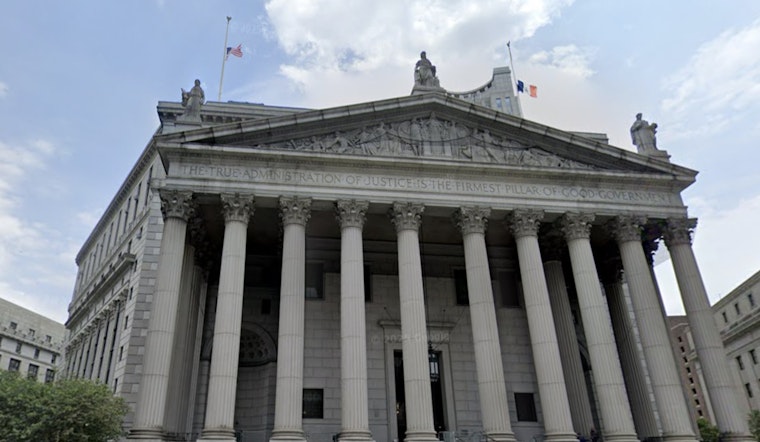
New York City’s rent-stabilization system is now just one petition away from a potential date with the U.S. Supreme Court. The case is not a broadside against every regulated apartment in town, but a narrower fight over whether landlords must slog through administrative “hardship” procedures before arguing that the law amounts to an unconstitutional taking. At the center of it all is a small Gramercy Park building where six apartments generate a combined legal rent of $2,584 a month.
The Real Deal reports that Lynette and Richard Ciner sued New York City in 2022, claiming that the Rent Stabilization Law leaves them on the hook for an estimated $1 million in building repairs while sharply limiting the rent they can legally collect. Their lawsuit argues that this setup violates the Fifth Amendment’s Takings Clause, which generally requires compensation when private property is taken for public use.
The Fight Started With A Six-Unit Gramercy Building
The property is a mixed-use building in Gramercy Park, holding six rent-stabilized residential apartments and a commercial space. In tossing out the case, the New York County Supreme Court pointed out that the owners had not applied for existing hardship exemptions that can allow landlords to raise rents above the usual guideline increases.
The court did not rule on whether the rent law itself amounts to a taking. Instead, it held that the constitutional challenge was not yet “ripe” because city and state housing agencies had not reached a final determination about how the regulations applied to this particular building. The court also concluded that, even if it had reached the merits, the landlords’ allegations would not have added up to a regulatory taking.
New York Courts Kept The Procedural Door Closed
The state’s Appellate Division, First Department, affirmed the dismissal in May 2025. It held that a landlord generally must go through the hardship process before bringing an as-applied takings claim. In its opinion, the First Department also said the owners had not shown that the law wiped out all economically beneficial use of the property or upended their reasonable investment-backed expectations.
New York’s highest court declined to revive the challenge in February, leaving the U.S. Supreme Court as the next possible venue. The New York Court of Appeals docket reflects that the court denied leave to appeal in the Tedford’s Tenancy case, the limited liability company controlled by the Ciners.
The Supreme Court Question Is Narrower Than Rent Control
Represented by the Pacific Legal Foundation, the owners are now asking the U.S. Supreme Court to decide whether judges can block constitutional property-rights claims simply because an owner did not complete an administrative process that may provide little or no real relief. The Pacific Legal Foundation says it filed the petition on June 30 and argues that property owners should not be forced through what it describes as futile procedural hoops before getting into federal court.
That means the immediate issue is about court access and “ripeness,” not an automatic ruling that New York’s rent-stabilization system is unconstitutional. If the justices agree to hear the case, they could clarify when landlords may bring takings claims against rent regulations. If they turn it down, the state court decisions will remain in place for this particular dispute.
Timing Collides With NYC’s First Rent Freeze
The petition lands just as the city is leaning even harder on rent stabilization. The NYC Rent Guidelines Board has approved zero-percent increases for one- and two-year leases beginning October 1, 2026, in a rent-stabilization system that covers roughly one million apartments across the five boroughs.
The Real Deal reported that attorney Deborah La Fetra expects to know by October whether the Supreme Court will take the case. For renters, nothing changes right now. The rent freeze and the rest of New York’s tenant protections remain in effect while the justices decide whether this Manhattan landlord challenge deserves a slot on the court’s next term.





