

























































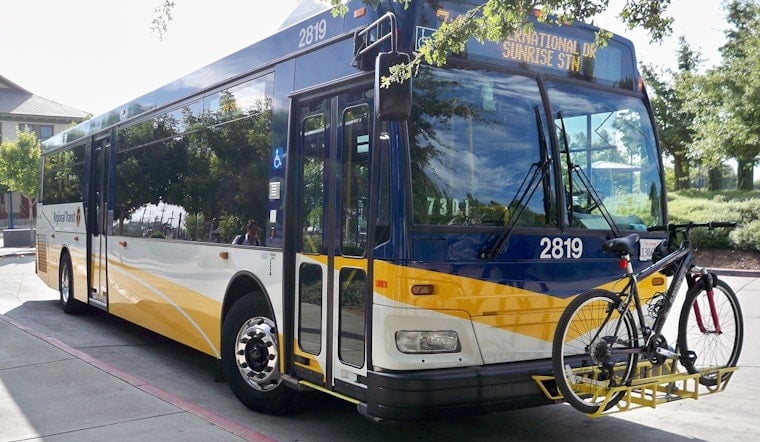
A Sacramento County civil grand jury says Sacramento Regional Transit dropped the ball on telling riders with disabilities about a major technology change, leaving some SacRT GO paratransit users confused and waiting longer for rides. SacRT strongly disputes that portrayal and argues the report skips key context. At the heart of the clash are SacRT GO’s move from its old tracking app to a new dispatch platform and the rollout of driver safety barriers on buses.
In a 22-page report released June 30, 2026, the Sacramento County Civil Grand Jury says the district shut off its Ecolane tracking app without giving riders sufficient advance warning, then shifted to the HBSS Connect "QRyde" dispatch system in April 2025 even though the rider-facing app component was not working. According to jurors, riders who had relied on the old app suddenly lost the ability to schedule trips or track vehicles and were forced to call dispatch instead, which swamped customer service and fueled a spike in late-pickup complaints. The panel also criticized the district for drafting procurement documents without early input from the Mobility Advisory Council and urged SacRT to adopt a formal communications plan and give the MAC a stronger role up front.
Agency response and numbers
In a July 1 news release, SacRT pushed back, arguing the grand jury's findings "are either not accurate or do not reflect the operational, technical, and regulatory complexities" of the transition. The agency said the new mobile app launched May 19, 2026 after multiple testing rounds and reported that about 15,000 SacRT GO riders are registered overall while roughly 100 had used the legacy tracking app, with one documented complaint tied to that group. SacRT also pointed to a long list of outreach methods it says it used to warn riders, including website updates, email blasts, app push alerts, social media posts and signs on vehicles.
Barriers and rider complaints
Jurors also leaned on local coverage of physical changes on buses. The Sacramento Bee reports the grand jury noted SacRT had installed operator safety barriers on 71 buses and cited at least one rider using a larger electric wheelchair who had trouble boarding. SacRT told the paper it plans to modify the remaining roughly 100 barrier installations and maintained that the barriers comply with ADA standards. Mobility Advisory Council Chair W. Charles Johnson told the Bee the council has seen better engagement from SacRT lately but still wants to be consulted earlier when changes will affect riders.
Grand jury recommendations
The report lays out a to-do list for the district. Jurors recommended SacRT adopt a consistent, districtwide communications plan by December 31, 2026, require MAC review during the development of requests for proposals, and recruit actual SacRT GO riders to act as "mystery riders" to more accurately test paratransit service. They also urged the district to include full MAC minutes in board packets after September 30, 2026 so board members are not relying on filtered summaries.
Board timeline and next steps
Local reporting notes the SacRT board must submit a written response to the grand jury within 90 days of the report’s release. SacRT told reporters it will start providing comprehensive MAC minutes at its July 2026 board meeting and said it is already tweaking the barrier installations and refining outreach as part of its response. Rider advocates say they will be watching closely to see if those promises translate into clearer, faster notices and more meaningful real-world testing with people who actually use the service.
Why this matters
Federal rules require transit agencies to maintain an "ongoing mechanism" for participation by people with disabilities in planning and assessing paratransit service, as spelled out in 49 CFR § 37.137. The grand jury cast the app problems and safety-barrier rollout as broader governance and communication failures that the SacRT board will now have to address directly in its formal reply to the report.




