

























































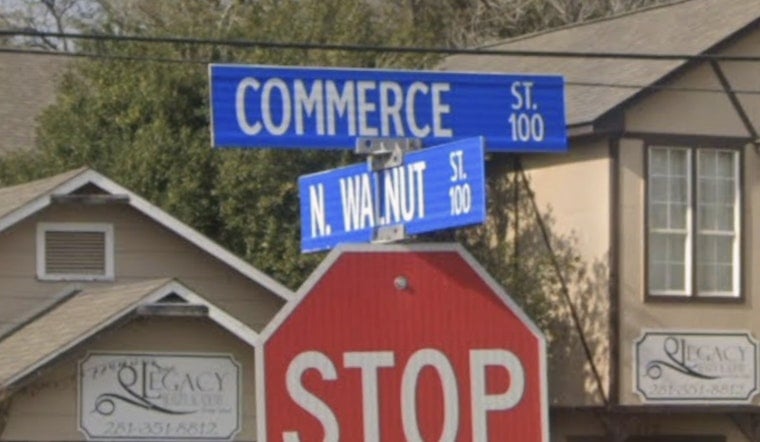
A routine demolition in downtown Tomball turned into a sensitive history project when crews pulled up what appeared to be old headstones, stopping construction on the spot. The area is now fenced off and secured while city officials bring in preservation authorities and investigators to determine whether they are looking at an actual burial ground.
The discovery happened in the 110 block of N. Walnut Street while workers were loading demolition debris, according to Click2Houston. Capt. Brandon Patin told the outlet, "Our goal is to protect whosoever’s ancestors are here in their final resting spot until we’re told different." The contractor alerted the city, and Tomball police quickly fenced off the scene while experts are contacted.
FOX 26 Houston posted video of officers standing guard as neighbors clustered near the temporary barriers, trying to get a look without getting too close. City officials said they are "committed to treating the site with the utmost respect" while authorities figure out exactly what is buried there and how historically significant it may be.
What happens next
Under state law, anyone who finds what might be an unverified cemetery has to stop ground disturbing work and report it. The Texas Historical Commission says a Notice of Existence of Cemetery should be filed within 10 days so officials can formally evaluate the site. From there, specialists may carry out archaeological or forensic work to determine the age of the remains and the legal status of the site before any construction can move forward.
Tomball's buried past
Tomball and the rest of Harris County are already home to a number of documented historic cemeteries, and earlier development has occasionally uncovered graves on land that used to be rural, the Houston Chronicle has reported. The Texas Historical Commission’s online atlas lists nearby church and family cemeteries that date back to the 19th and early 20th centuries, a reminder that building in older downtown blocks sometimes collides with buried history.
For developers and crews
State and federal guidance tells contractors to lock down the area, call law enforcement and preservation officials, and avoid disturbing anything further. For transportation projects, federal documents reference TxDOT’s emergency discovery procedures and coordination with tribes and the State Historic Preservation Officer, according to the FHWA toolkit. If remains are confirmed as historic in age, reviews and mitigation can stretch for weeks or months and, in rare instances, end up in court before work is allowed to restart, local reporting notes.
City officials have said they will keep residents updated as the review unfolds, and local preservation groups are expected to be part of the assessment, ABC13 reported. Until the experts are finished, the stretch of N. Walnut Street around the site will stay fenced off and under officer watch.





