

























































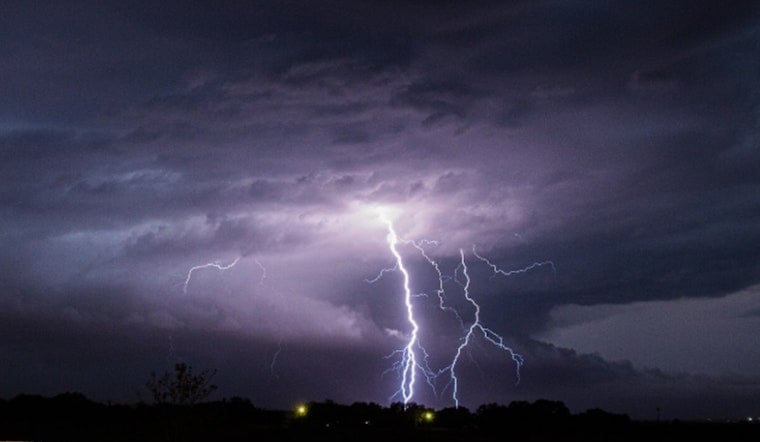
A fast-building severe thunderstorm rolled over Warren County, N.C., Sunday afternoon, pounding areas near Warrenton with torrents of rain, penny-sized hail and strong wind gusts that threatened to snap limbs and drop trees into roads. The punchy cell triggered flash flood concerns and made a mess for anyone trying to drive through the county.
Warning details and timing
At 1:58 p.m., the National Weather Service office in Raleigh issued a severe thunderstorm warning for Warren County, set to run until 2:30 p.m. Forecasters said radar had locked onto a storm near Warrenton moving east at about 20 mph, with wind gusts up to 60 mph and the potential for penny-sized hail. The warning specifically called out Warrenton, Arcola and Afton as communities in the storm's path, according to the Raleigh News & Observer.
What officials are urging
Guidance from National Weather Service Raleigh NC urges residents to head to an interior room on the lowest floor of a sturdy building and to stay put until storms move out. The agency cautions that the cell's torrential rainfall could spark flash flooding and that powerful gusts may damage roofs, siding and trees. People are advised to secure loose outdoor items and keep a close eye on local alerts until the warning period ends.
Driving risks and hydroplaning
For anyone caught on the road, rainy-weather basics still apply. Drivers are advised to turn on headlights, favor middle lanes when possible and steer clear of standing water that can cause hydroplaning. Hydroplaning happens when water builds up under the tires faster than a vehicle's weight can push it aside, which lifts the tires off the pavement. Speed, deeper water and worn tread all make it more likely. If a car starts to hydroplane, experts recommend easing off the gas, gently steering in the direction of the skid and braking lightly only after the tires have gripped the road again, guidance that tracks with the Raleigh News & Observer.
Lightning risk and next steps
Lightning hits the United States about 25 million times a year and is blamed for roughly 20 deaths annually, according to the National Weather Service. The rule of thumb is simple: if you can hear thunder, you are close enough to be struck. Forecasters say to head indoors immediately and wait 30 minutes after the last flash or rumble before going back outside. Officials also recommend keeping wireless alerts enabled, and monitoring NOAA Weather Radio and local NWS updates in case the warning is extended or new alerts are issued.





