

























































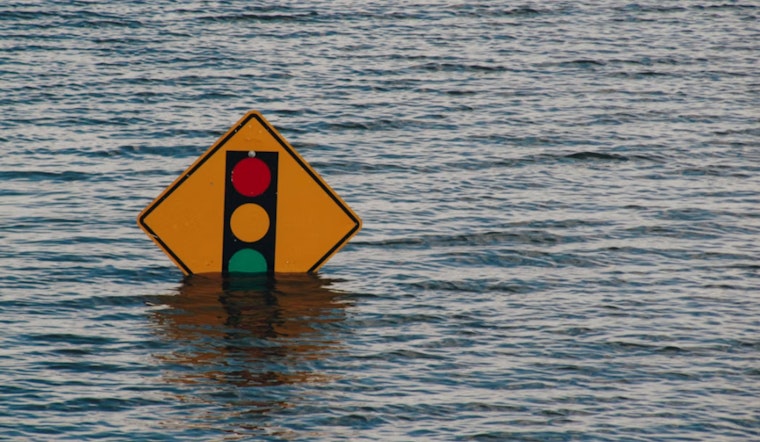
Heavy thunderstorms rolling through Halifax and Warren counties early Monday evening prompted the National Weather Service office in Raleigh to issue a flood advisory, as streets and low spots started taking on water. Forecasters warned that the downpours could trigger minor flooding in low-lying and poor-drainage areas, with ponding and water over roadways already turning up in parts of the region. Drivers were urged to steer clear of flooded streets and never try to push a vehicle through moving water.
What The Advisory Says
According to the National Weather Service, the advisory stressed that flooding would be driven by excessive rainfall, with the greatest impacts expected in low-lying neighborhoods and places where drainage is already a problem. The agency noted that “most flood deaths occur in vehicles” and repeated its blunt warning, “Turn around, do not drown,” for anyone tempted to roll through a flooded roadway. Reports of ponding and water covering sections of pavement were already coming in as the storms moved through.
Storm Pattern And Local Context
The News & Observer reports the advisory for Halifax and Warren counties was set to run until 4:15 p.m., part of a broader pattern of repeated downpours across the Piedmont this week that has produced similar pockets of street flooding. That coverage highlights how quickly conditions can flip during slow-moving storms, which is why local officials keep telling residents to stay on top of county emergency management alerts and local forecasts. People in low-lying neighborhoods and those who rely on key commuter routes are being told to prepare for standing water on roads and brief travel disruptions when these storms flare up.
Stay Safe
The National Weather Service urged anyone in flood-prone locations to move to higher ground and avoid basements or rooms where outlets and electrical cords could end up under water. If someone becomes trapped by moving water, officials advise getting to the highest possible point and calling 911, and if authorities issue an evacuation order, they say to leave right away. The agency also recommends disconnecting utilities and appliances before heading out, if there is time to do so safely, and reporting dangerous flooding to local emergency services.




