

























































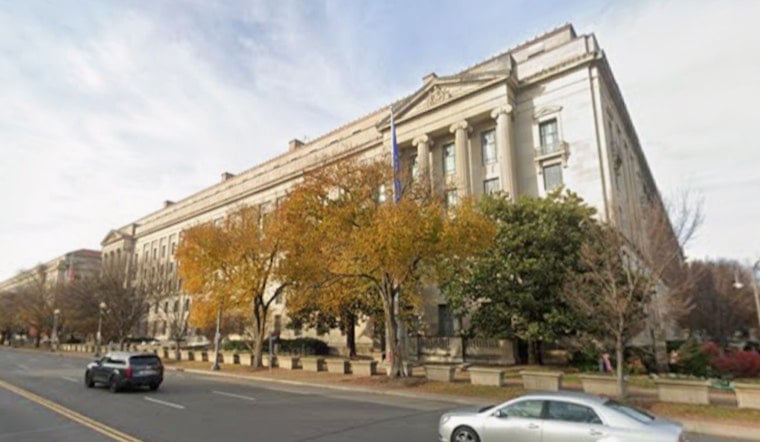
Harvard’s China-backed scholarship and student-aid money is now in Washington’s crosshairs. Federal civil-rights investigators on Monday opened a compliance review into whether rules attached to some of the university’s China-funded programs shut out U.S. citizens. The move puts a rare federal spotlight on how one of the country’s most powerful universities accepts and spends foreign cash, with potential ripple effects on federal dollars that support its students and research labs.
What The DOJ Is Reviewing
The Justice Department’s Civil Rights Division said it has launched a compliance review of Harvard to determine “whether its China-based financial aid programs and practices exclude American-citizen students.” Assistant Attorney General Harmeet K. Dhillon added that “every American student should have an equal opportunity to compete for college scholarships, grants, and other kinds of financial aid and benefits.”
The Civil Rights Division stressed that it has not yet reached any conclusions about Harvard’s conduct, according to the Justice Department.
Foreign Funding In Focus
Federal filings reviewed by investigators show Harvard has disclosed nearly $4.5 billion in foreign gifts and contracts in total, with more than $630 million tied to China-based sources. Some of that money comes with strings attached, including terms that ask Harvard to favor students from particular countries. Those details appear in disclosures filed under the Education Department’s Section 117 reporting system, which requires colleges to report foreign gifts of $250,000 or more, per the Department of Education. That is not exactly pocket change, even by Harvard standards.
How The Story Broke
The review first surfaced publicly in coverage that noted the Civil Rights Division’s concern that China-based donors may be steering how Harvard uses their funds and directing aid toward students from specific countries. That reporting framed the move as part of a broader uptick in federal scrutiny of elite universities’ foreign ties and compliance habits. The story was initially broken by Reuters.
Where This Fits In Recent Federal Scrutiny
The new review follows months of pressure from federal agencies. The Education Department has already been examining Harvard’s foreign-funding disclosures, and earlier this year the Justice Department sued the university over its refusal to turn over admissions records in a separate civil-rights review. Those earlier fights have already strained Harvard’s dealings with Washington and raised the stakes for whatever comes out of this latest inquiry.
The broader legal and political push aimed at Harvard in recent months has been chronicled by The Washington Post.
Legal Implications
Title VI of the Civil Rights Act bars recipients of federal funds from discriminating on the basis of national origin. If investigators conclude that donor-imposed conditions on Harvard’s foreign money end up excluding American students from scholarships or other benefits, the university could face a range of remedies, from negotiated voluntary agreements to formal enforcement actions.
Compliance reviews by the Civil Rights Division often end in settlement agreements or consent decrees when violations are found, according to Justice Department case summaries. Any enforcement step here could touch federal grants, contracts, or even student-aid eligibility if the department determines Harvard is out of compliance.
What Comes Next
For now, the process is in its early, paperwork-heavy phase. Compliance reviews typically kick off with document demands and interviews; investigators are expected to seek detailed records and may require Harvard to spell out exactly how it applies donor restrictions in its aid programs. The university is already dealing with overlapping federal probes and public scrutiny, and campus insiders are watching closely to see whether this changes financial-aid practices or international partnerships, as reported by The Harvard Crimson.
The Civil Rights Division emphasizes that the review is preliminary and that no violations have been found at this stage. Officials say they intend to follow the facts and the law as the investigation unfolds. In the meantime, students, administrators, and donors are left in a familiar Harvard drama: plenty of money on the line, and a stretch of uncertainty while federal and university lawyers argue over what the fine print on those foreign checks really means.





