

























































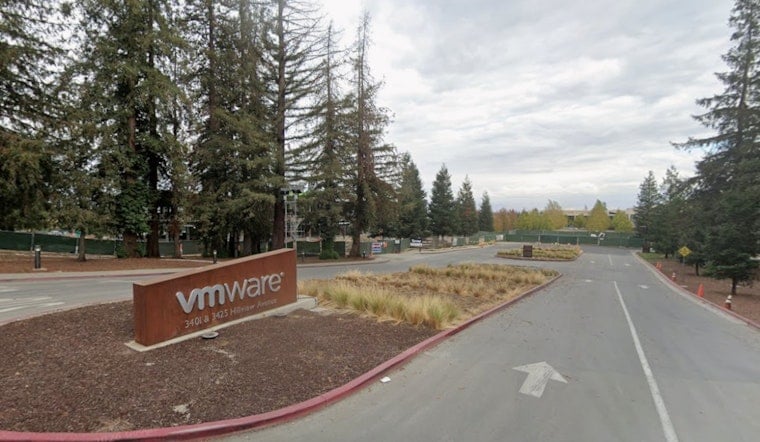
Labs out, living rooms in? Harvest Properties is seriously weighing a big land-use pivot in Palo Alto, exploring whether to put housing on roughly half of a 24.5-acre research-and-development campus it recently picked up on the cheap. The early concept would trade a chunk of industrial and office space for apartments and townhomes, a shift that would trigger a full city entitlement process and plenty of public scrutiny.
According to the Silicon Valley Business Journal, Harvest is looking at entitlements for a mix of apartments and townhomes on about half of the 24.5-acre site. The outlet also reports the campus sold for roughly half of what the previous owner paid in 2019, underscoring just how far values have slid for some office and R&D properties.
Harvest's Bigger Palo Alto Bet
This is not Harvest's first big swing in the neighborhood. Last year, the firm teamed with TPG Real Estate to acquire a 1.1-million-square-foot, roughly 70-acre parcel in Stanford Research Park, a deal Newmark helped broker and that was chronicled in detail. As reported by The Real Deal, that campus has since pulled in heavyweight tenants, including a recent General Motors lease for nearly 340,000 square feet, which is a sign that Harvest is busy repositioning large office properties to keep pace with shifting demand.
How City Hall Might Respond
Palo Alto, meanwhile, is under pressure to prove it can actually produce housing, not just talk about it. The city's 2023–2031 Housing Element assigns a Regional Housing Needs Allocation of roughly 6,100 units, and Palo Alto has pursued the state's Prohousing designation, a status that could influence how conversions get reviewed. Per the City of Palo Alto, turning an office or R&D campus into housing would require formal entitlements, environmental review and consistency with the Housing Element and other local plans.
For now, the housing concept sits firmly in the exploratory stage. Harvest would still need to submit detailed development proposals, secure all necessary entitlements and clear CEQA or any related environmental review before construction could begin. Neighbors, planners and housing advocates will be watching closely to see whether a firm known for remaking large Bay Area campuses can successfully turn R&D land into homes that fit both Palo Alto's policy constraints and its squeezed housing market.





