

























































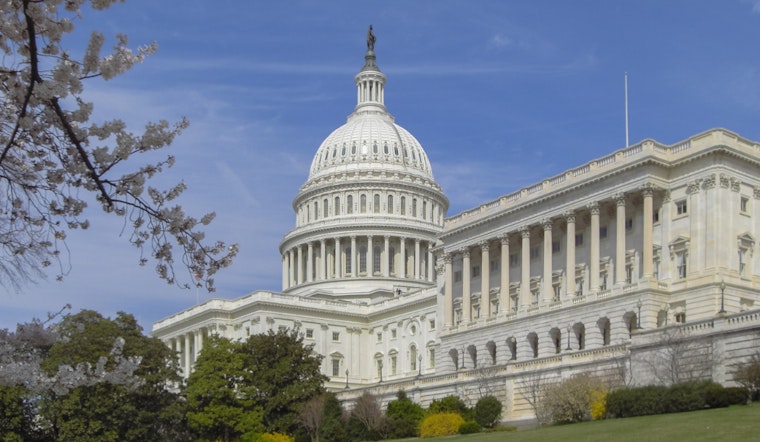
House Republicans are moving to drag Congress back into the District's budget battles, pushing a new bill that would require federal approval before most local tax hikes could take effect. The proposal, introduced this month, would flip the usual D.C. review process on its head and set up a high-stakes faceoff with the city's elected leaders.
What the bill would do
Under H.R. 9720, the D.C. Taxing Authority Review Act, any District law that imposes or raises a tax or fee would sit on ice unless Congress passes a joint resolution approving it within 60 days. According to the bill text published by GovInfo, the change would replace the Home Rule Act's current system of passive review with an explicit approval requirement.
Who introduced it and why
Rep. James Comer introduced the measure on July 16 and sent it to the House Oversight Committee, which is pitching the bill as a response to potential local revenue moves. In a committee release, Chairman Comer accused "Radical D.C. Democrats" of trying to "reach deeper into taxpayers' pockets" and argued that Congress has a constitutional duty to oversee the nation's capital, according to House Oversight.
D.C. leaders push back
City leaders wasted little time firing back. D.C. Council Chair Phil Mendelson warned that the bill would "reinsert Congress into the minutiae of governing," while Delegate Eleanor Holmes Norton labeled the proposal "completely unnecessary." Mayor Muriel Bowser's office said it is reviewing the legislation. Reporting by FOX 5 DC also quotes House Speaker Mike Johnson framing the measure as a midterm contrast, saying voters will see the issue on the House floor this week.
A familiar fight over home rule and money
The clash is the latest round in a long-running tug of war over D.C.'s power to raise its own money. Earlier this year, a previous House attempt to block local tax changes put hundreds of millions of dollars in potential revenue at risk and created administrative headaches for the city's tax office, underscoring how disruptive federal interference can be, according to The Washington Post.
What happens next
The Oversight Committee has set a full committee markup for Wednesday at 10 a.m., with H.R. 9720 listed on the agenda and the session slated to be livestreamed, according to the committee notice. If the bill clears committee, it would still need a vote on the House floor, Senate approval and the president's signature to become law. That is a long legislative road, but GOP leaders are already using the proposal as part of their national messaging effort, details that appear in a committee announcement from House Oversight.
Local reaction and next steps
Local activists and statehood backers are gearing up for a fight. Groups such as Free DC are urging residents to pack the room or tune in online for the markup and to press lawmakers to protect the District's taxing authority. Whatever the committee decides, the bill keeps a central question front and center: who gets to call the shots on taxes in the nation's capital, D.C. voters or Congress?





