

























































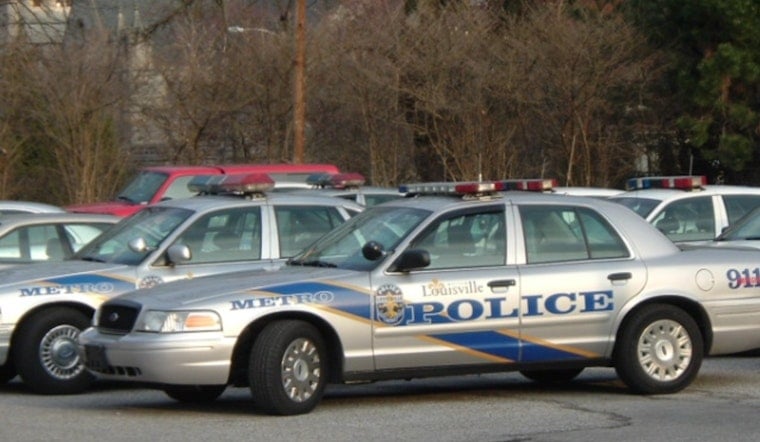
Kentucky drivers who decide to hit the gas instead of the brakes when police lights flip on are now staring at far tougher criminal consequences. After a rewrite of the state’s fleeing and evading laws, some once-lower-level traffic stop cases have been elevated into felonies, with new rules that can stretch prison time. Police are warning that a split-second decision to run can turn a routine stop into a criminal record that sticks for life.
What the law changes
The updated Kentucky Revised Statutes now define fleeing or evading police in the first degree as a Class C felony and fleeing or evading in the second degree as a Class D felony, according to the Kentucky Revised Statutes. The law spells out aggravating factors that can push conduct into the higher felony category, including driving under the influence or creating a substantial risk of serious physical injury. The statute text shows these amendments took effect in mid-July 2024, per the updated Kentucky Revised Statutes.
Sentences and parole eligibility
Under Kentucky’s sentencing framework, a Class C felony generally carries five to ten years in prison, and a Class D felony typically brings one to five years, according to Kentucky Court guidance. The revised fleeing and evading sections also state that defendants "shall not be released on probation, shock probation, conditional discharge, or parole" until they have served at least 50% of the sentence imposed, language that appears in the updated KRS provisions.
Police reaction
Bardstown police are using the legal shakeup as a teachable moment. When those emergency lights come on, pull over and comply, officers told a local TV outlet, arguing that the tougher penalties are meant to discourage dangerous pursuits and protect everyone on the road, according to WLKY. The department singled out younger drivers in particular, stressing that a "single decision to flee can change the course of your life." According to the Kentucky Department of Criminal Justice Training, HB 298 (May 19, 2020) "addresses policies and procedures for police vehicle pursuits and training in emergency vehicle operation." According to Kentucky State Police news (Vehicle Pursuit and Fatal Traffic Collision / Pulaski County), the agency reported investigating a vehicle pursuit that ended in a fatal traffic collision.
Advice from police
Officers also stressed that if you think a traffic stop is unfair or incorrect, the fight belongs in court, not in a high-speed chase. Any issues with a traffic stop "can be dealt with through the legal process afterward," Bardstown police told WLKY. For drivers who feel unsafe when an officer tries to pull them over, police advised calling 911 rather than trying to outrun the cruiser.
Why it matters
By elevating certain traffic stop flight into felony territory, the state is steering more roadside encounters into the criminal system and raising the long-term fallout. Convictions can bring steep fines, loss of some civil rights, and new hurdles in finding housing or employment, courts and criminal justice observers have noted, according to Kentucky Court guidance. Under earlier versions of the law, second-degree fleeing was classified as a Class A misdemeanor, as shown in archived statute text cited by Law.justia. Anyone charged under the amended fleeing or evading statutes is urged to consult an attorney promptly, since the new felony classifications change both plea bargaining risk and parole calculations. According to the Kentucky State Police 'Traffic Facts' reports (Traffic Facts 2023 and Traffic Facts 2024), the agency publishes annual traffic-collision statistics. According to the Kentucky Transportation Cabinet's 2017 Highway Safety Performance Plan, 'All law enforcement agencies in Kentucky are required to submit uniform reports of any injury, fatal, or property damage crash that renders a vehicle inoperable.'




