

























































With a scorching heat wave rolling in right on top of the Fourth of July rush, central North Carolina animal shelters are scrambling to find short-term foster homes before things get dangerous for the animals in their care.
Rescue groups and municipal shelters across the Triangle say they are already packed, and the combination of crowded kennels and soaring temperatures could spell trouble for vulnerable cats and dogs. Leaders stress that even a brief foster stay, as short as a few days or a week, can open up climate-controlled space for animals that most urgently need it.
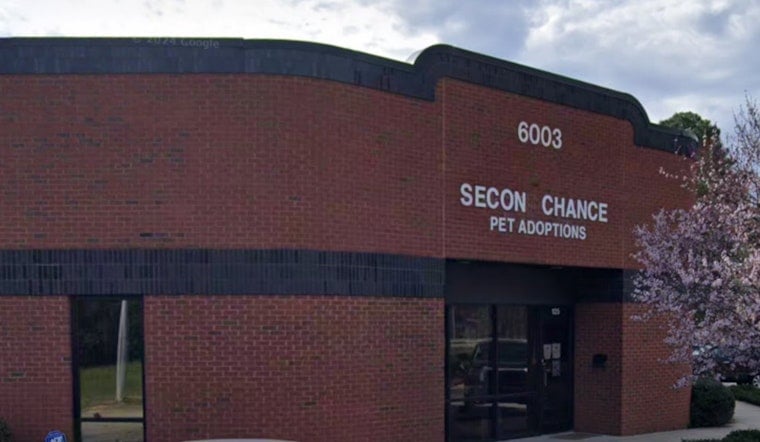
SAFE Haven for Cats in Raleigh is among the groups sounding the alarm. Shelter manager Patti Godin told CBS17 the rescue is caring for about 120 cats and has roughly 40 ready for foster placement. Julie Paddison, executive director of Second Chance Pet Adoptions, told the station that shelters are overcrowded and badly need climate-controlled rooms for animals during the heat wave. Staff say a surge of short-term fosters would immediately ease crowding and reduce stress for both animals and employees.
Dangerous heat expected over Fourth of July weekend
Forecasters say the Triangle could see especially intense heat July 2 to 4, with daytime highs climbing into the upper 90s or low triple digits and not much relief at night. That mix raises heat risks for people and pets alike. Meteorologists describe the setup as a strong ridge, or "heat dome," that could push temperatures to record or near-record levels, and the National Weather Service warns the heat index will at times reach dangerous territory. Those projections are adding urgency to shelters' calls for immediate foster help, especially for kittens and senior animals that struggle most in cramped, warm conditions, according to the National Weather Service.
Fostering helps prevent illness and eases overcrowding
Shelter-medicine experts say stress and crowding significantly increase the odds that cats will develop upper-respiratory infections, and outbreaks are far more likely when animals are packed in with poor ventilation and long shelter stays. The ASPCA’s shelter medicine guidance notes that overcrowding and stress are key drivers of feline URI and that cutting population density is one of the most practical ways to prevent disease. That is why local rescues are pushing so hard for short-term fosters right now: time in a home lowers disease risk and also frees up space for more animals in trouble.
How to sign up
Both SAFE Haven for Cats and Second Chance Pet Adoptions say they cover the basics for foster families, including supplies, training and veterinary care, and they are urging people to apply even if they can only commit a few days. SAFE Haven's volunteer foster application is available online and outlines what new fosters can expect, while Second Chance maintains detailed pages on the foster experience and how to get started. Volunteers who can take kittens, moms with litters or pets that just need a cool, quiet place to recover are in especially high demand right now. For details, see SAFE Haven's foster application and Second Chance Pet Adoptions' foster information.
Shelter leaders say time is tight: the next 48 to 72 hours will largely determine whether animals can be moved into homes or whether facilities will be pushed past capacity. Even a single night or long-weekend foster stay, they note, can mean the difference between a pet resting comfortably in air conditioning and a frantic emergency transfer during the worst of the heat.




