

























































Hawaii’s long-running syringe exchange program is in the middle of a major shift as drug use across the islands changes shape. At its peak, the statewide service was moving more than a million syringes a year. Now, needle swaps are way down while demand for naloxone, wound care and safer-smoking supplies is climbing, pushing providers to rethink what harm reduction looks like in 2025.
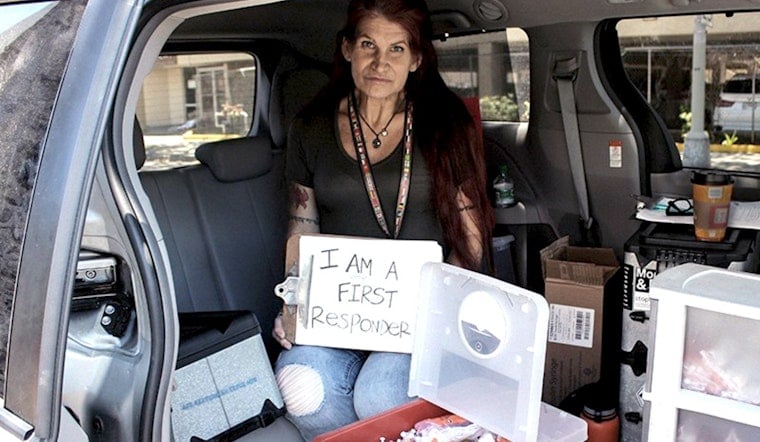
On the ground, the Hawaiʻi Health & Harm Reduction Center runs a mix of fixed and mobile sites across Oʻahu, Maui, Kauaʻi and Hawaiʻi Island, including a mobile outreach van in Chinatown and weekday exchanges at Aʻala Place and the Punawai rest stop on Oʻahu, according to KHON2. The program says all services are free and confidential, and it also works with people who use syringes for medical needs such as diabetes care or hormone therapy. During street outreach, staff hand out naloxone, safer-sex supplies and wound-care kits to align with what people are actually asking for.
Numbers Tell The Story
HHHRC’s 2024 program evaluation spells out the drop in needle use. A 2021 high of 1,234,623 syringes exchanged fell to 599,683 in 2023 and 484,212 in 2024, the report shows. The same evaluation points to a shift in how people are using drugs, with a growing preference for smoking and a decline in injecting, even as visits for other harm-reduction supplies stay steady or tick up, according to HHHRC.
Policy Shift: Act 106
Lawmakers rewrote the state’s syringe-services rules in 2025, moving the program away from a strict one-for-one swap model toward needs-based distribution and broader harm-reduction authority. That change is detailed in SB1433, which became Act 106 on May 29, 2025, according to the bill text on LegiScan.
What The Health Department Says
The Hawaiʻi Department of Health notes that Act 106 allows programs to provide a wider range of "authorized objects" and adds liability protections for participants and staff. The law includes language that possession or delivery of used syringes returned to a program should not be treated as a drug-possession offense under certain conditions. For details, the department points people to its Harm Reduction Services guidance at the Hawaiʻi Department of Health.
How Programs Are Adapting
Front-line staff have adjusted both what they hand out and how they gauge success. Safer-smoking kits, naloxone refills and wound-care supplies now make up a larger share of visits, while peer outreach and testing are steadily growing parts of the work. The 2024 evaluation recommends expanding fixed sites, building testing and treatment referrals into exchange visits and tailoring supplies to what participants say they will actually use.
Where To Get Help
HHHRC lists hours, locations and contact numbers on its syringe-exchange page, including an office at 677 Ala Moana Blvd., Suite 226 in Honolulu and an office line at (808) 521-2437 for island-specific schedules. For the latest outreach stops and service times, see HHHRC.




