

























































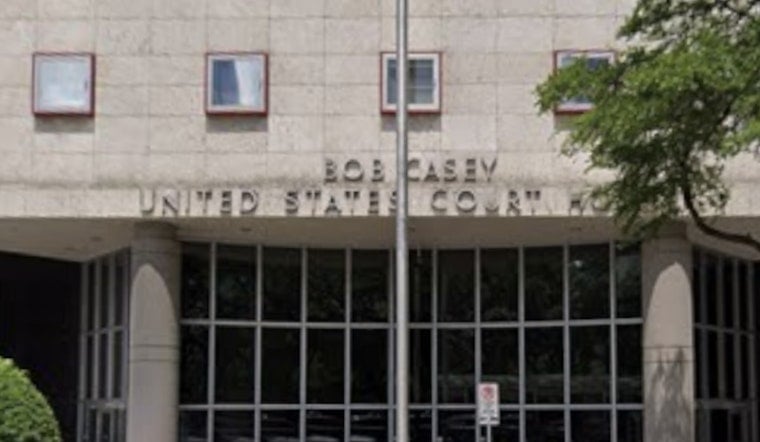
A Houston businesswoman has acknowledged she under‑reported millions of dollars in income, according to federal prosecutors, putting her squarely on the radar of federal tax enforcement and opening the door to potential civil penalties or criminal charges depending on what prosecutors decide to do next.
In a brief notice shared in a press release from the U.S. Attorney’s Office for the Southern District of Texas, prosecutors said the woman admitted to under‑reporting "millions" in income. The announcement, posted Tuesday, linked out to a formal Department of Justice statement and offered only a tight summary of the acknowledgment.
What an admission means
When someone admits to under‑reporting income, that admission can surface in court filings or as part of a plea agreement and can later be used by prosecutors if they move forward with charges. Whether a situation like this turns into a full criminal case usually hinges on evidence of willfulness, the quality and scope of documentary records, and prosecutors’ calculation of the total tax loss.
Potential penalties
Federal tax convictions can carry prison sentences, steep fines, and court orders to pay restitution. Under 26 U.S.C. § 7201, trying to evade or defeat a tax is a federal crime, and parallel civil penalties such as fraud additions and interest can quickly stack up, according to Cornell Law School’s Legal Information Institute and guidance in the IRS internal manual.
Local context
The Southern District of Texas has been busy with fraud and financial‑crime prosecutions this year, mirroring a broader enforcement push across the region. Hoodline recently covered one of those high‑dollar federal cases in Houston, highlighting how the office has been moving major investigations into the courtroom and signaling that this is not a one‑off moment for local white‑collar enforcement.
Next steps
If prosecutors opt to file charges, the case would move into federal court, where complaints, motions, hearings, and scheduling would appear on the public docket. Investigations of this type are often run in tandem with the IRS Criminal Investigation division, the agency’s law‑enforcement arm, and any official updates or additional press releases are expected to be posted on the U.S. Attorney’s Office website for the Southern District of Texas.





