

























































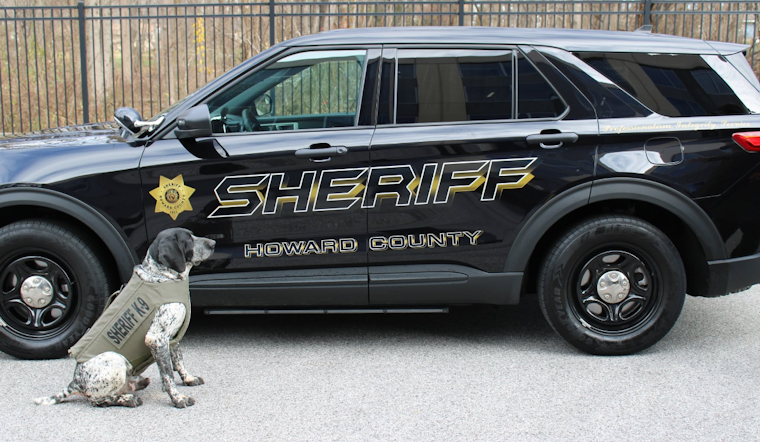
Howard County deputies are about to get a new option on their body-worn cameras: an AI-powered language translation tool that officials say is meant to close communication gaps in one of Maryland's most diverse counties. The sheriff's office says the feature is supposed to speed up back-and-forth during traffic stops, court-security details, civil-process work, warrant service and other day-to-day public-safety encounters, cutting down on delays while deputies wait for human interpreters and helping them better serve residents with limited English proficiency.
In a statement to WBAL NewsRadio, the Howard County Sheriff's Office said the system will be built directly into deputies' body cameras and can detect which language is being spoken, then provide real-time translations in more than 50 languages. "Clear communication is essential to effective law enforcement and building trust within our community," Sheriff Marcus Harris said.
How the translation tool is supposed to work
The capability Howard County described lines up with the Real-Time Translation channel that Axon has added to its Axon Body 4 cameras. The company says the tool supports more than 50 languages and can automatically identify the language it hears.
According to Axon, officers can tap a push-to-talk-style control to capture speech, get an audible two-way translation on the spot, and generate time-synced transcripts that are stored with the associated video. The company notes that the feature needs either a cellular signal or Wi-Fi to function and that it is built for routine, low-risk interactions rather than for use as certified translation in court.
Other departments are already testing it
Howard County is not the first agency to lean on live translation in the field. The Bexar County Sheriff's Office in Texas has already trained deputies to use a translator baked into their body cameras that officials say can process more than 50 languages, according to reporting by the San Antonio Express-News. Departments in cities such as Stockton and agencies in Florida have run pilots or started rollouts as well, which highlights how police are trying to trim interpreter wait times in communities where multiple languages are spoken every day.
Questions about accuracy and oversight
Digital-rights advocates have cautioned that when police start layering AI tools onto existing systems, old concerns about transparency and reliability get a lot sharper. They point in particular to questions about how easy it is to audit AI-generated material and how clearly those translations and transcripts are labeled and reviewed.
The Electronic Frontier Foundation has urged agencies to be upfront about when and how they use AI, and has raised alarms about limits on auditing some Axon AI products, which watchdogs say can make oversight tough. Axon, for its part, says translations and transcripts are recorded and kept for later review and that Real-Time Translation is meant to assist with routine interactions, not to stand in for certified human interpreters in legal settings. The company also warns that translated output should not be introduced as evidence unless a certified human translator has verified it, according to Axon.
The WBAL NewsRadio report did not include a firm rollout date for Howard County's deployment, and officials have so far released only a brief statement about how they expect deputies to use the tool. As the county moves ahead, civil-liberties advocates and defense attorneys are likely to push for clear rules on when AI translations are allowed and how they are checked, a debate that has followed similar technology in other jurisdictions. We will update this story when the county releases more detailed policies.





