

























































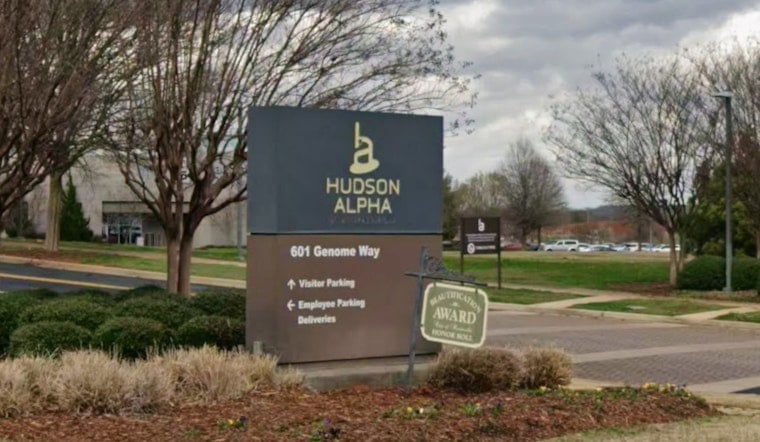
In Huntsville, the future of farming and factory work might start with a field of tall grass. The HudsonAlpha Institute for Biotechnology is taking the lead on a new regional effort to plant perennial grasses across Alabama and Tennessee and turn them into raw materials for things like food packaging, construction products, and lighter car parts. Backers say the initiative, known as BRIDGES, could mean new income for farmers, thousands of jobs and a homegrown supply chain for plant-based products.
NSF Names BRIDGES A Regional Innovation Engine
According to the National Science Foundation, BRIDGES is one of just 12 teams picked from roughly 300 proposals nationwide. The program is set to receive an initial $15 million award and could secure up to $160 million over ten years. The NSF initiative funds regional coalitions that pair research groups with private industry to move promising technology out of the lab and into real businesses.
How Grass Becomes Manufacturing Feedstock
The BRIDGES Engine plans to grow low-input perennial grasses, notably switchgrass and miscanthus, on marginal or underused farmland. As outlined by the BRIDGES Engine, genomic tools and processing chemistry will be used to break that biomass down into chemical building blocks. Those ingredients can then be turned into packaging, composite automotive parts and construction materials that are designed to replace petroleum-based inputs. Project leaders stress that the crops are meant to supplement farmers' earnings, not push out profitable commodity fields.
Partners And Regional Reach
The partnership is led by HudsonAlpha with co-leads at Auburn University and the University of Tennessee, Knoxville, and includes more than 80 organizations across academia and industry. Commercial collaborators include Volkswagen Group of America and AGgrow Tech LLC, according to the University of Tennessee. The university reports that BRIDGES aims to put about 50,000 acres into perennial grass production, generate roughly $30 million in annual farm income, attract more than $2 billion in private capital, create over 4,000 manufacturing and supply-chain jobs and train more than 10,000 people. Tennessee has also pledged matching support through a $10 million grant to help the engine compete for federal funds.
By The Numbers And Local Logistics
Organizers say planting will focus on poorly drained, low-yield or otherwise underused acres so existing row-crop operations are not crowded out. Genomic breeding work is expected to boost resilience in the grasses before the project scales to full commercial production, Made in Alabama reports. The BRIDGES coalition describes the broader effort as a step toward a circular bioeconomy that can improve soil health, store carbon and supply industry with domestic, plant-based materials. State agencies and private partners are expected to play central roles in building out the regional supply chain.
What Comes Next
BRIDGES CEO Sam Jackson told Axios Huntsville that the team expects to start moving funds to partners within 30-60 days. He said they hope to see products reach the commercial marketplace within a couple of years. According to Jackson, the core technology has been in development for about four years, and the plan now is to pull together crop science, processing chemistry and manufacturing partners to speed up commercialization.
Why It Matters For Huntsville And The Region
HudsonAlpha frames BRIDGES as a way to plug its genomic expertise directly into new markets for both farmers and manufacturers. The institute says its bioproducts research has laid much of the scientific groundwork for the push, per HudsonAlpha. The BRIDGES Engine will be coordinated from HudsonAlpha's Huntsville campus while collaborators across Alabama and Tennessee launch trial plots and early-stage manufacturing efforts, with the hope that fields of grass eventually feed factories across the region.



