

























































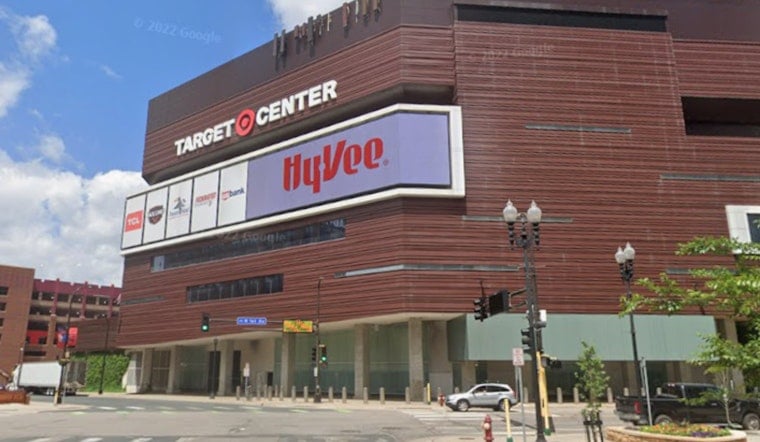
If the Timberwolves and Lynx eventually bolt for a shiny new arena, Minneapolis is left staring at a massive downtown homework assignment: what to do with Target Center. The city-owned, 36-year-old arena sits on roughly 3.5 acres in the Warehouse District and still pulls its weight as a concert and events venue. Whether leaders choose to redevelop, retrofit, or demolish the site will help determine where investment and foot traffic flow in the city core for decades.
The money piece is not small. A recent finance memo from the City of Minneapolis pegs future debt-service payments tied to Target Center at about $53.5 million from 2026 through 2035. The teams' lease runs through June 2035 and could come with roughly a $50 million penalty if broken early, meaning any relocation talk would unfold against that existing bill.
Owners Talk Big: An Arena Plus An Entertainment District
New owners Marc Lore and Alex Rodriguez have not been shy about thinking beyond a simple arena swap. They have pitched a vision built around a modern arena wrapped in open public space, hotels, bars, restaurants and apartments, essentially an all-day entertainment district instead of a nine-months-a-year sports box. That idea, and their stated preference for keeping the teams downtown, will be a major bargaining chip when it comes to picking a site and deciding what happens to the old building. Sports Business Journal reports that Lore and Rodriguez are eyeing the type of arena neighborhood that has sprung up around several newer U.S. stadiums.
A Renovation Still Underwritten By The City
Target Center is not some untouched relic. About a decade ago, it underwent a major renovation that city documents put at roughly $128.9 million, with the City of Minneapolis on the hook for $74 million of that total. That deal extended the arena's useful life but also locked the city into a long amortization schedule that produced the debt-service line items showing up in recent budget materials. The Minneapolis/St. Paul Business Journal details the renovation scope and the public-private funding split that left the city carrying a balance for years.
Memphis' Pyramid Shows How Old Arenas Can Be Repurposed
Minneapolis would not be the first city to wrestle with life after an NBA arena. When the Grizzlies left their old home in Memphis, the city poured large public investments into redeveloping the Pyramid and ultimately leased it to Bass Pro Shops. Public records cited in local coverage put the public subsidies at roughly $105 million, with millions of visitors a year in the early stages of the project's life. That Memphis playbook often comes up when real estate watchers game out Target Center's future, weighing a dramatic conversion against simply clearing the site. The Commercial Appeal tracks the Pyramid's visitor numbers and revenue trajectory after the Bass Pro conversion.
Where City Leaders And Owners Will Likely Haggle
Minneapolis officials have already started floating ideas. One concept would plant a new arena on the City Center block, keeping the teams smack in the middle of downtown. Mayor Jacob Frey has publicly signaled he wants any new venue to stay in the urban core. The arguments to come will revolve around how much public help is on the table, whether through property tax breaks, infrastructure work or direct subsidies, and how much of the Target Center site should eventually become tax-generating development rather than parks or plazas. The Star Tribune has outlined the City Center proposal and highlighted early political resistance to writing big public checks.
Legal And Financial Hinge Points To Watch
The fine print may matter as much as the renderings. The existing lease, the bond repayment schedule and the remaining renovation debt will all affect who has leverage at the table. Analysts note that if a new arena did not open for several more years, the outstanding renovation debt on Target Center would shrink considerably by then. On the other hand, actually tearing the building down would itself be a multi-million dollar decision. In other words, the calendar might be as important as the blueprints. Axios walks through example timelines and remaining-debt estimates that city officials and team representatives are using in their planning.
For now, nothing about Target Center's fate is imminent. But between the remaining debt, the lease terms and ownership's appetite for building a downtown entertainment district, the arena's future has clearly become a central downtown planning problem. Expect years of negotiations, site studies and public-private haggling before Minneapolis settles on a plan that tries to balance its checkbook and its development ambitions at the same time.





