

























































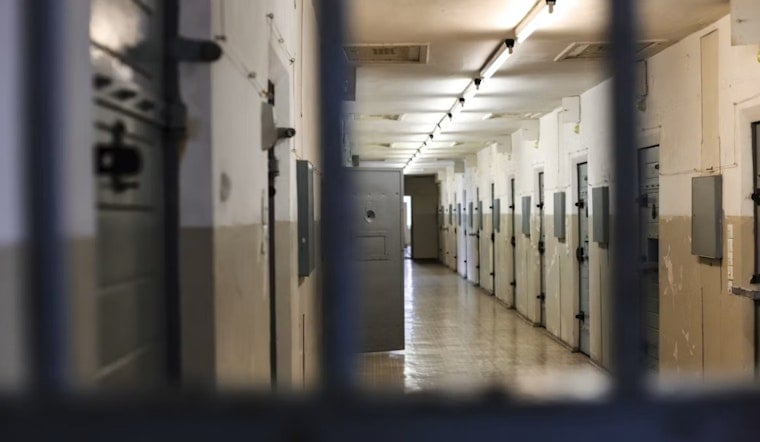
Inside California jails, undercover Perkins operations, where someone posing as a fellow inmate coaxes suspects into talking, are becoming a go-to investigative move. CalMatters' reporting shows the tactic is used widely, even as defense lawyers and some judges warn it can slice into Miranda protections that are supposed to shield people who are in custody. These stings have helped secure major convictions, and now several high-profile challenges have landed at the state Supreme Court. Journalists say many agencies refused to turn over records about training, pay and technique, leaving basic questions about oversight and fairness hanging in the air.
As reported by CalMatters, the reporting team dug through more than 5,000 pages of court records and conducted over 40 interviews to build its investigation. Among the material they unearthed were training slides and other documents that lay out "recipes for success," spell out daily pay rates for operatives and promote stimulation tactics - staged lineups, fabricated evidence and cell recordings - all meant to get detainees talking. "It's psychological war," San Diego criminal defense attorney Michelle Luna Reynoso told CalMatters, summing up what critics describe as coercive methods.
The legal system is already starting to push back. In February, the 4th District Court of Appeal tossed a Riverside County murder conviction after ruling that a deputy's staged lineup and repeated contacts turned what was supposed to be a Perkins operation into a custodial interrogation, which made the resulting statements inadmissible. And in 2019, as reported by the Los Angeles Times, Justice Goodwin Liu of the California Supreme Court warned that using deceptive schemes to keep questioning suspects who have invoked Miranda "appears to be a pervasive police practice," and urged the Legislature to think about drawing clearer lines.
At the heart of the current coverage is the case of David Allen, arrested in Los Angeles County in 2016. According to court records reviewed by CalMatters, Allen invoked his right to remain silent four separate times before undercover operatives were sent in to talk with him. Prosecutors later described those jailhouse statements as "the centerpiece of the prosecution's case," and Allen received a sentence of 45 years to life. He has asked the California Supreme Court to review his conviction, arguing violations of the Fifth Amendment and federal due process. CalMatters reports that the high court has accepted multiple Perkins-related petitions, setting the stage for a potential statewide ruling.
How the stings work
Perkins operations usually involve placing one or more trained operatives into a holding cell with a detainee for hours at a time. The supposed "cellmate" gradually steers the conversation toward the crime, while officers listen in and, at key moments, introduce staged events such as fake lineups or bits of fabricated evidence. The strategy traces back to the U.S. Supreme Court's 1990 decision in Illinois v. Perkins, which said an undercover officer posing as an inmate does not have to give Miranda warnings. Critics say that the ruling opened a loophole that lets officers keep questioning suspects through surrogates even after the suspect has clearly invoked the right to remain silent.
Legal implications
If the California Supreme Court decides to narrow how Perkins can be used or clarifies when an undercover chat inside a cell becomes a custodial interrogation, the fallout could be significant. Prosecutors might be forced to drop evidence gathered through certain jailhouse ruses and could even face retrials in older cases that leaned heavily on those statements. Prosecutors counter that Perkins is still a legitimate and valuable tool when used carefully and backed up by other proof, while defense attorneys say the whole point of these operations is to exploit people at their most vulnerable and generate unreliable statements. Whatever the court decides will likely dictate how counties train their operatives, how thoroughly stings are recorded and which materials must be disclosed in future prosecutions.
What law enforcement has said
According to CalMatters, some law enforcement agencies describe Perkins operations as crucial for solving violent crimes and have even helped train other counties on how to run them. Others would not sit for interviews or turn down records requests altogether. Working with outside counsel, the reporting team managed to pry loose a limited batch of internal slides and documents after most public records requests were rejected, a reminder of just how secretive these programs can be. Law enforcement representatives told CalMatters they evaluate the recordings in context and look for corroboration before relying on what operatives capture on tape in court.
Why this matters locally
Counties up and down California, including Los Angeles, Riverside, San Diego and Santa Clara, have been linked to Perkins operations. That means any shift in the law could ripple into courts across the Bay Area and the rest of the state. For local readers, the debate is not just theoretical. Judges and juries may soon be asked to rethink how much weight to give a confession that began as small talk in a jail cell, and prosecutors may have to adjust how they investigate serious crimes in the first place. The growing scrutiny is also forcing a broader conversation about transparency and accountability inside county jails.
The next few months could be pivotal. The California Supreme Court's rulings on the pending Perkins petitions will either shore up the status quo or trim back the reach of undercover jailhouse stings. In the meantime, reporters say they will keep pushing for documents and answers from agencies, and will update their coverage as new rulings and disclosures come to light.




