

























































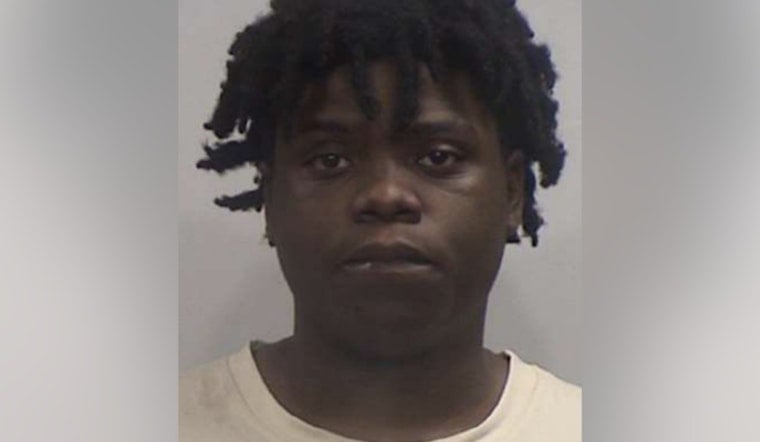
Irving police say a 19-year-old man is behind nearly 300 secretly recorded images and videos of women in store restrooms and dressing rooms, a cache investigators allege stretches back to April and spans multiple retailers. Court filings identify the suspect as Makarious Jevonne Bates and state that the material includes footage taken from above and beneath stall walls. Bates is facing multiple counts of invasive visual recording and remains in custody while detectives continue to sift through the files.
How detectives say they tracked him down
According to court records, the investigation started with a June 3 report at a TJ Maxx on the 7700 block of North MacArthur Boulevard. Store employees told officers that a man had filmed a woman and a child in the restroom, then later came back to the store. A loss-prevention officer noted the license plate of a Dodge Challenger, which investigators say they tied to Bates.
License-plate readers flagged the car on June 15, and officers soon found the vehicle parked near a Target, the documents state. Police say Bates handed over his phone and voluntarily provided the passcode, after which detectives obtained a search warrant. A full digital extraction on June 22 allegedly turned up more than 290 images and videos recorded in department stores, dressing rooms, and bathrooms, including a June 15 clip of a Walmart employee filmed from both above and below a stall. Those details were reported by FOX 4 Dallas-Fort Worth.
What the charges mean
In Texas, secretly recording someone in a bathroom or changing room can be charged as invasive visual recording, which the penal code labels a state jail felony. Per Justia's summary of Texas Penal Code §21.15, a conviction generally carries 180 days to two years in a state jail facility and can include fines, with enhanced penalties possible in some situations. The law also extends to other places where a person reasonably expects privacy, such as dressing rooms and restrooms.
Police ask other potential victims to come forward
Investigators say file metadata points to incidents across shopping centers along North MacArthur Boulevard. Irving detectives are urging anyone who thinks they may have been recorded to contact Detective S. Herring at 972-721-2604 or [email protected]; anonymous tips can be emailed to [email protected]. According to court documents, the Walmart clip was traced to a store on Forest Lane in Dallas, and one identified employee chose to pursue charges after being notified. Police have not said whether they expect additional arrests as the review of digital evidence continues, as reported by FOX 4 Dallas-Fort Worth.
Not an isolated problem in North Texas
Officials and shoppers elsewhere in North Texas have reported similar cases this spring. In Hurst, police arrested a suspect after a hidden camera was found in an Aeropostale dressing room, a case that local reporting and a Hurst Police Department release say has sharpened concerns about covert devices in fitting rooms. For local context, see Hoodline’s coverage of that Hurst arrest and the city’s news release on the earlier incident. Teens Expose Hidden Dressing-Room Camera and the Hurst Police Department release provide additional background.
How shoppers and stores can respond
Police advise shoppers to speak up if they spot anything off in a stall or fitting room, including stray bags, loose wiring or small electronic devices that do not appear to belong. If it is safe, they suggest preserving the item for officers rather than tossing it. Store managers, meanwhile, are urged to review loss-prevention footage regularly, log any complaints, and keep detailed incident records to help investigators move faster when something looks suspicious. Potential victims who discover they were recorded are encouraged not to delete any related files and instead contact detectives or consult an attorney about how to preserve evidence properly.





