

























































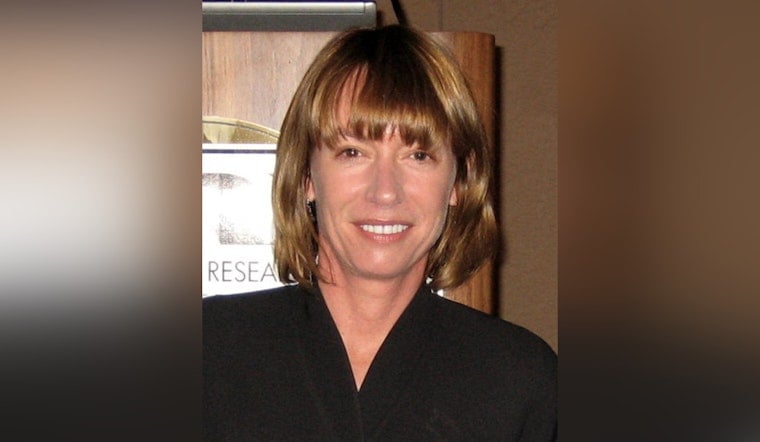
Janette Sadik-Khan is back at the MTA table, and she is not arriving to whisper about bus service. The former New York City transportation commissioner joined the authority’s board this month and, after her first meeting Wednesday, put fast buses and practical street fixes at the center of her pitch for Mayor Zohran Mamdani’s transit agenda.
In an interview with Streetsblog New York City, Sadik-Khan said she is looking forward to implementing the city’s fast-bus program, which builds on the Select Bus Service system launched during her time at the Department of Transportation. She said that earlier program delivered a 28% improvement in travel time along participating routes, along with higher ridership.
A Familiar Transit Operator Gets A New Power Seat
Sadik-Khan’s appointment gives Mamdani a transportation veteran with a résumé built around turning street space into transit infrastructure. The Mayor’s Office said its June recommendation was intended to advance a more affordable, accessible and reliable system, including the mayor’s promise to make buses fast and free.
As transportation commissioner from 2007 through 2013, Sadik-Khan oversaw nearly 400 miles of new bike lanes, the rollout of Citi Bike and the city’s first seven rapid bus lines, according to the announcement. She now also chairs the National Association of City Transportation Officials, giving her a national view of experiments that could be adapted to New York’s famously particular streets.
The New Bus Plan Gives Her Something Concrete To Push
The timing is unusually specific for a board appointment. In July, the city and state unveiled Next Stop: Fast Buses, Better Service, a plan targeting 50 priority corridors, five next-generation rapid bus routes and improvements designed to save riders as much as six minutes per trip, according to the New York City Mayor’s Office.
The plan also calls for about 2,500 new buses, a phased move to all-door boarding beginning in 2027 and expanded bus-lane enforcement. Those details turn Mamdani’s campaign slogan into a sprawling interagency project involving street design, bus operations, vehicle procurement and the eternal New York question of who gets the curb.
Madison Avenue Is An Early Test
One early test is Madison Avenue, where the city is extending double bus lanes between 42nd and 23rd streets. The NYC Department of Transportation says the project is aimed at improving trips for 92,000 daily riders, with buses in parts of the corridor currently crawling at speeds as low as 4.5 miles per hour.
That kind of surface-level slowdown is exactly where Sadik-Khan’s experience could matter most. A new subway line can take years and billions of dollars; a bus lane, boarding island or signal change can produce a more immediate result, provided the city keeps the lane clear and the MTA delivers the promised service.
She Is Also Looking Beyond The Bus Lane
Sadik-Khan told Streetsblog that the MTA’s subway bottleneck report is important because improving transit is not only about building new infrastructure. The authority’s official report examines how track speeds, signals, station layouts and train-routing systems interact at crowded points in the subway network.
That approach fits the broader transportation philosophy she is bringing back to City Hall’s orbit: fix what exists, test ideas quickly and borrow smartly from other cities. Hoodline previously reported on the administration’s restart of the 34th Street busway, another example of the city trying to make buses faster by changing the streets they already use.
A board seat does not give Sadik-Khan unilateral control over the MTA, but it does put a familiar pro-transit voice inside the room where priorities, funding and timelines are debated. Her first message is clear: New York does not have to wait for a perfect transportation future before making the next bus ride less slow.





