

























































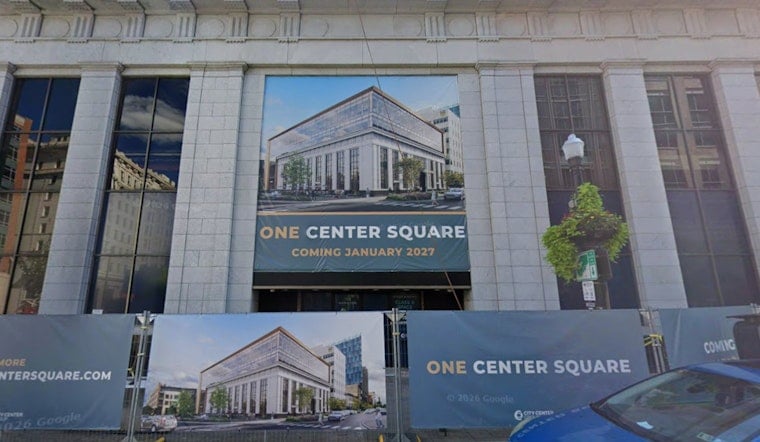
Thomas Jefferson University is planting a Sidney Kimmel Medical College Lehigh Valley campus in the heart of downtown Allentown, a move school officials say is designed to boost local training capacity and keep more doctors practicing in the region. The project is pitched as a major investment in classrooms, labs and simulation space that will anchor an interprofessional student community in the city. City officials and health system leaders say the campus is expected to give a jolt to downtown Allentown’s economy as well as its hospitals.
The announcement, first reported by the Philadelphia Business Journal, outlines plans for more than 54,000 square feet of newly constructed medical education space. Renderings show new classrooms, simulation labs and faculty offices meant to handle both preclinical instruction and hands-on clinical training.
Local Footprint and Partners
Jefferson previewed a broader Lehigh Valley strategy in a May announcement that highlighted nursing program offerings in Center Valley, a satellite respiratory therapy lab at Lehigh Valley Hospital–Cedar Crest and planned student housing in Allentown. In that release, Thomas Jefferson University framed the expansion as a push to strengthen the regional healthcare workforce while helping to drive economic development downtown. The university said some programs are slated to start in fall 2026, with medical school specifics to follow as construction and accreditation plans take shape. Thomas Jefferson University
Clinical Training and Hospital Ties
Lehigh Valley Health Network, which now operates under the Jefferson umbrella, will serve as the primary clinical partner and reports that dozens of Jefferson students already complete rotations across LVHN facilities. The network’s public materials say it will host expanded lab and clinical placements at sites such as Lehigh Valley Hospital–Cedar Crest to support hands-on learning for future cohorts. Lehigh Valley Health Network
Why It Matters
The Allentown campus plan comes as medical schools and health systems around the country roll out new training sites to counter a projected physician shortfall and encourage graduates to stay in underserved regions. As Inside Higher Ed reported, dozens of new campuses have been announced in recent years, and proponents argue that training students in a specific region makes it more likely they will eventually practice there. National data from the Association of American Medical Colleges underscore the concern, with the AAMC projecting sizeable physician shortages that are helping to drive new education pipelines.
Next Steps and Timeline
Jefferson and LVHN have so far shared conceptual plans for the Allentown medical campus but have not committed to an official start date for medical students in the city. The university’s May announcement set fall 2026 launch dates for several nursing and allied health programs, and officials say the medical school rollout will be phased in and will depend on accreditation approvals, construction progress and clinical placement capacity.
For Allentown, the project carries the promise of new jobs, fresh demand for student housing and a stronger pipeline of clinicians for area hospitals. The bigger test, local leaders note, will be how quickly new classroom and lab space translates into additional residency slots and practicing physicians. Jefferson and its Lehigh Valley partners say they plan to release more details on construction, site plans and class planning as the approval process moves forward.



