

























































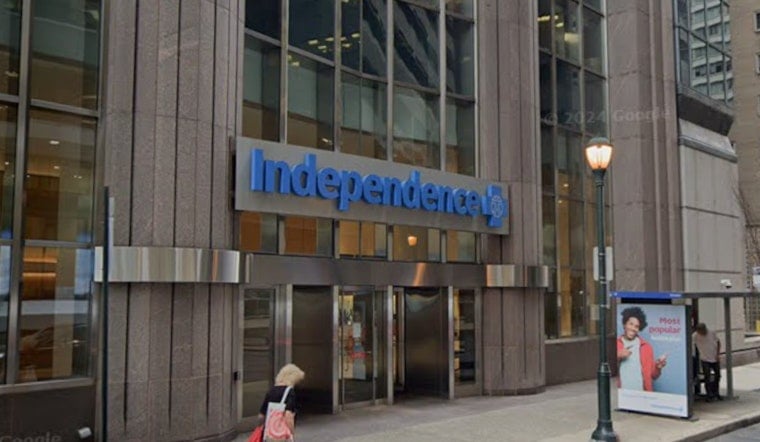
One of Philadelphia’s biggest health systems is taking its hometown insurer to court, accusing it of yanking nearly $100 million out of the hospital’s pockets in just a few months.
Jefferson Health filed suit against Independence Blue Cross on July 22, 2026, in Philadelphia’s Court of Common Pleas, alleging that recent changes to the insurer’s payment rules have cost the system almost $100 million this year. The legal broadside lands less than six months before the current contract between the two sides is set to expire on Dec. 31, 2026, turning already delicate negotiations into a high-stakes showdown.
According to The Philadelphia Inquirer, Jefferson’s complaint lays out five Independence Blue Cross policy changes that the health system says violate their agreement. One new rule that took effect June 1 directs certain procedures away from hospital outpatient departments and into freestanding ambulatory surgical centers, which Jefferson says has cost it about $35.4 million so far this year. Two other inpatient payment policy shifts allegedly account for another $35.5 million in losses. The filing also claims more than $7.2 million in nonpayment tied to the federal 340B drug discount program and about $18.3 million in reduced payments linked to a readmission policy.
Jefferson’s vice president for payer relations, Allison Yudt, told The Philadelphia Inquirer that the health system tried to work things out quietly before heading to court, but was ultimately left with no choice but to sue “on behalf of our patients.” Independence Blue Cross, in a statement to the paper, said it “acts in the best interest of our customers and members” and noted that it regularly talks with providers about payment and policy issues.
How The Payment Shifts Worked
Independence Blue Cross has been pushing to move more specialty procedures out of higher cost hospital outpatient departments and into ambulatory surgery centers, arguing that the shift helps lower costs for employers and members. As reported by the Philadelphia Business Journal, the insurer has been in active talks with specialty groups around the region, and its provider bulletins spell out billing updates and site of service rules for hospitals and ASCs. Jefferson’s lawsuit argues that these changes effectively cut hospital payments for services it has long billed at higher outpatient rates.
Hospitals typically receive higher facility fees when procedures are performed in hospital outpatient departments compared with independent surgery centers. Insurers, for their part, have been trying to narrow that price gap, saying patients should not pay significantly more for the same procedure just because of the building it is done in.
Federal Policy And Market Pressure
The Philadelphia fight is unfolding against a national policy backdrop that is nudging the same issues. In July, the Centers for Medicare & Medicaid Services proposed updates to the Hospital Outpatient Prospective Payment System and ASC rules that would narrow payment differences between sites of care and tweak how 340B drug discounts are handled. The proposal, if finalized, would change financial incentives around where care is delivered and how drug payments are calculated, putting additional pressure on private payers and providers to adjust their own payment structures, according to a CMS press release.
Where This Fits In Jefferson’s Strategy
This is not Jefferson’s first run at a major insurer in court. The system sued Aetna in April over a Medicare Advantage inpatient payment policy, part of a broader national pattern of hospitals pushing back on what they describe as unilateral payer rule changes. That earlier dispute was detailed by industry outlet Becker's.
The stakes in the Independence Blue Cross fight are heightened by Jefferson’s recent growth. The system combined with Lehigh Valley Health Network last year to create a larger regional player, increasing the financial and negotiating leverage on both sides of the table, as Healthcare Dive has reported.
Legal Implications
Jefferson’s lawsuit centers on breach of contract claims and seeks damages tied to the payment changes at issue. A ruling in Jefferson’s favor could require Independence Blue Cross to restore some payments or revise how it applies its new policies.
At the same time, the lawsuit functions as a powerful bargaining chip. Filing in court raises the temperature ahead of the year end contract deadline, but it also introduces the risk of slower resolution of payment disputes and even temporary network disruptions if negotiations sour.
What To Watch Next
Key developments to watch include Independence Blue Cross’s formal court response, any early motions or settlement overtures, and whether either side starts sending notices to members or providers as contract talks continue.
Given the money on the line and the broader federal and market push to realign payments across different care settings, the outcome of this local brawl could influence how future payer provider deals are structured and how certain outpatient services are reimbursed across the Philadelphia region.





