

























































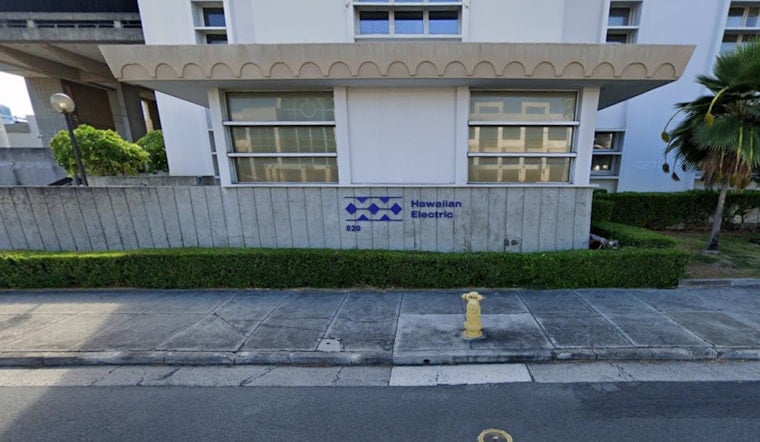
Kakaʻako's vertical growth spurt is running into a hard limit: there is not enough electrical distribution capacity to flip the switch on several of the neighborhood's planned high-rise towers. Developers and planners say that crunch has already forced construction timelines to shift and kicked off a months-long scramble to add ducts, cables and substation capacity to keep pace.
In planning documents filed in March 2023, Hawaiian Electric warned that forecast load growth in the Kakaʻako-Kewalo area could overload a Kewalo transformer and its 25 kilovolt circuits as early as November 2025. The utility put the cost of a traditional "wires" solution, including a 138-25 kV, 50-MVA transformer, new switchgear and four additional 25 kV circuits, at roughly $22 million and said that hardware would need to be in place in early 2025 to cover near-term demand.
Major projects waiting for power
The backlog of towers sits inside Kamehameha Schools' Our Kakaʻako master plan zone, where guest developers have queued up multiple large residential projects that all need reliable juice to open their doors. The Our Kaka'ako site lists Kahuina at about 861 units, Waiakoa at roughly 1,025 homes and Pohukaina Commons, the state-sponsored affordable housing project at 690 Pohukaina Street, among the developments that will require new underground ducts and cables before units can be energized.
How upgrades are staged and why they take time
State infrastructure filings lay out a four-phase electrical upgrade intended to catch Kakaʻako up to its skyline. The plan starts with a new transformer and switchgear at the Kewalo substation, then runs new ductlines along Ala Moana Boulevard and through Koula, Auahi, Coral and Pohukaina streets. According to HHFDC/DBEDT records, Phase One is slated to begin work in 2026, Phase Two is scheduled to wrap up in late 2026 or early 2027, Phase Three is targeted for completion in mid-2027 and final extensions into the Pohukaina site are planned in 2028.
Utility town halls and broader repairs
While Kakaʻako waits for more capacity, Hawaiian Electric officials have been touring downtown meeting rooms to explain a broader reliability push for urban Honolulu. At a town hall in April 2026, company leaders outlined a roughly $180 million program of cable replacement and vault work intended to prevent repeat blackouts and warned residents and businesses to expect years of construction impacts as crews dig into streets and sidewalks, according to Hawaii News Now.
Developers scramble as schedules slide
Developers say the shortage of immediate electrical capacity has turned into a scheduling and financing headache, forcing them to reshuffle project timelines. The the Star-Advertiser reported that Hawaiian Electric pulled a will-serve letter for the Pohukaina Commons site in April 2024, pushing earlier construction schedules back and prompting Highridge Costa officials to say teams are "pushing" to find a way forward.
What residents should expect
Documents from both the utility and the state show that a fix is coming, but not quickly. Noisy trenching, intermittent lane closures and delayed move-ins are expected through 2028 as ductwork, cable runs and the Kewalo substation upgrade are built out. Earlier filings warn that, without new hardware or a non-wires alternative, the area could see normal-condition overloads beginning in November 2025, a red-letter date that helps explain the urgency behind the scheduled upgrades, according to HHFDC/DBEDT.





