

























































Kansas City is giving itself a new way to shut down after-hours clubs before another late-night party turns into a public-safety crisis. The move comes weeks after nine people were wounded in a shooting near an unlicensed venue on Troost Avenue, putting a familiar local problem squarely on City Hall’s enforcement desk.
The City Council approved an ordinance Thursday that classifies businesses operating without required licenses or permits — along with the properties hosting them — as nuisances, according to The Kansas City Star. The practical goal is speed: city officials want to use nuisance-abatement tools instead of chasing a pop-up operation that can change its name, promoter or address overnight.
Mayor Quinton Lucas proposed the measure after the June shooting, arguing that unlicensed operations can avoid the safety inspections, occupancy limits and accountability required of legitimate businesses. In a release from Kansas City officials, Lucas said the ordinance gives the city “a clearer path to shut them down and keep our neighborhoods safe.”
What Kansas City’s New Ordinance Changes
Under the new Section 48-52, an operation can be treated as a nuisance if it never obtained required approvals, continued after a license or permit was suspended, revoked or expired, or violated the limits of its authorization. The rule addresses unlicensed and unpermitted businesses, according to the ordinance text. It also lays out when the city may treat an operation as a nuisance.
The language addresses businesses and the properties hosting them, not just the storefront. That focus is relevant to businesses that move between locations.
That matters because Kansas City’s existing nuisance code allows officials to issue an emergency order when a nuisance presents an immediate, specifically identified risk to public health or safety. If the owner or occupant does not act immediately, the city can arrange for the nuisance to be removed or abated and assess the costs to the owner, according to the Kansas City code. Kansas City has used similar tools before: KCUR reported that a Nov. 21, 2012, ordinance allowed police to crack down on after-hours clubs and nuisance parties.
The Troost Shooting Put The Issue On The Clock
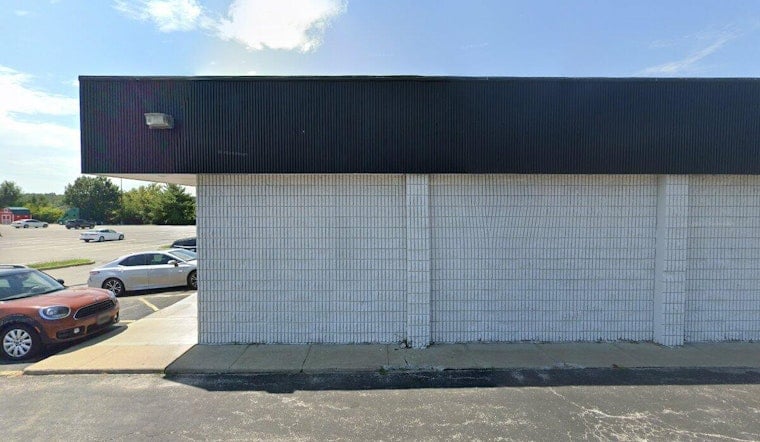
The policy push follows a June 8 mass shooting near 79th Street and Troost Avenue that injured nine adults. The Kansas City Star reported that Big Mama’s Playhouse, an unlicensed party venue at the site, had promoted an after-hours event before the gunfire, though police had not publicly established that the event caused the shooting.
Lucas nevertheless raised concerns about unlicensed businesses, while the shooting put public safety at the center of the debate. Assistant City Manager Lace Cline told The Kansas City Star that the ordinance is designed to let the city act more quickly against unlicensed businesses that frequently move between locations.
Separately, the Columbia Missourian reported May 5, 2026, that Columbia warned East Campus residents of fines ranging from $500 to $2,000 for first-time offenders and from $1,000 to $4,000 for subsequent offenders.
The new rule is a significant escalation from treating each illegal party as a one-off code problem. Whether it changes Kansas City’s after-hours scene will depend on how aggressively city departments use the authority — and how those actions hold up if property owners or promoters challenge them — but the message from City Hall is no longer subtle: a temporary club operating outside the rules may be shut down before the next crowd arrives.



