

























































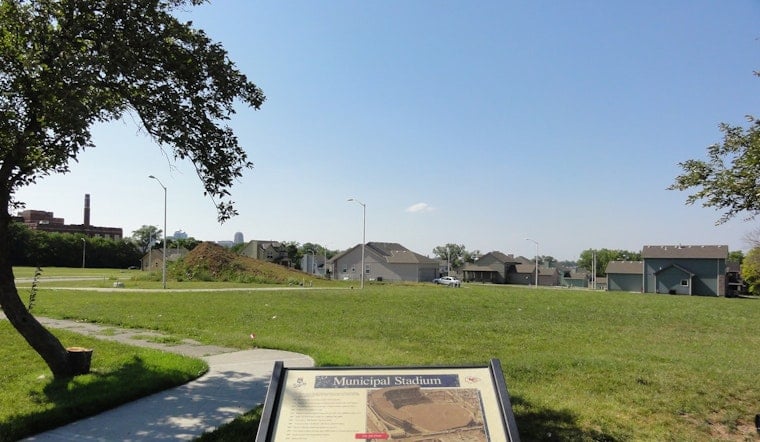
Kansas City voters are set to decide on Aug. 4 whether to keep a one-eighth-cent city sales tax that underwrites redevelopment on the East Side. The tax applies inside a rectangle bounded by Ninth Street to the north, Gregory Boulevard to the south, The Paseo to the west and Indiana Avenue to the east. The current authorization runs through Sept. 30, 2027; approving the measure would keep the same rate in place for another 10 years.
What Question 3 Would Do
The measure appears on the Aug. 4 primary ballot as Question 3 and would reauthorize a 0.125% sales tax for another decade to fund economic development projects inside the Central City district, as described in the city’s official legislation file. The City Council voted to put five measures on the August ballot, including this renewal. If voters sign off, the tax would continue at its existing rate rather than increase.
Money and the Program’s Record
City officials say the Central City Economic Development (CCED) sales tax has generated significant funding for East Side efforts. Deputy Finance Director William Choi told the Kansas City Star that the tax brought in about $13.5 million in 2025 and roughly $100 million since the program began. The voter guide also notes that, according to the city’s housing dashboard, the tax has helped support more than 1,200 affordable housing units as of this summer.
Where the Money Has Gone
The program is administered by the Economic Development Corporation of Kansas City and is intended to remove blight, build affordable and transitional housing, rehab community facilities and help small businesses grow. The EDC highlights recent projects, such as the Prospect Summit duplexes, that received CCED dollars, while the city points to tens of millions directed to dozens of East Side projects since 2017. Local examples tied to CCED assistance include redevelopment work along Prospect Avenue as well as early-learning and commercial spaces in that corridor.
Concerns From Advocates
Supporters often cite completed buildings and visible construction, but advocates and board members have also pressed City Hall for quicker action and clearer accountability. Reporting in 2021 described repeated delays in moving CCED-recommended projects through city approvals and quoted board members who said lengthy hold ups threatened both project viability and community trust. Those past frustrations are part of why some community leaders are paying close attention to how Question 3 plays out. Some policy analyses of dedicated local-option sales tax programs in other jurisdictions have reported varied outcomes for targeted sales-tax initiatives. Research on case-study methods has noted that neighborhood redevelopment initiatives may require distinct approaches to evaluation compared with other project types, underscoring the need for tailored accountability and assessment.
How the Vote Works and What a Yes or No Would Mean
A simple majority is enough to renew the tax. A yes vote would extend the one-eighth-cent sales tax through 2037 and keep a dedicated revenue stream in place for East Side development inside the Central City district. A no vote would let the current authorization expire on Sept. 30, 2027, ending that dedicated funding source and slightly lowering citywide sales taxes. The CCED renewal is one of five measures the city placed on the Aug. 4 ballot, alongside bond proposals for water, sewer and housing projects.
Where to Learn More
Voters who want the exact ballot language and legislative history can review the city’s election filing and the Economic Development Corporation’s project pages for a list of funded work and recent awards. Local news outlets and the city clerk’s voter resources page also offer guides to how the Aug. 4 primary ballot will work and what a renewed CCED authorization would cover.



