

























































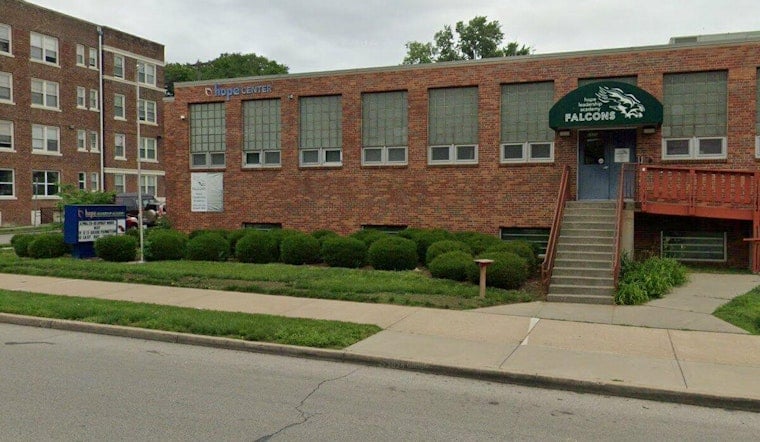
On Aug. 1, 2026, a long‑talked‑about idea on Kansas City’s East Side finally turns into brick and mortar. AdHoc Group Against Crime is cutting the ribbon on its new AdHoc Center for Healing and Justice, a one‑stop hub that pulls counseling, legal help and a clinic‑style trauma room under a single roof. The building is meant to serve families living with gun violence, chronic trauma and decades of neighborhood disinvestment, and organizers are marking opening day with a back‑to‑school party featuring bounce houses, food trucks and free haircuts for kids.
Where and when
As reported by KSHB 41, the new center sits at Benton Blvd. and East 31st Street and opens to the public on Saturday with a community celebration from 1 p.m. to 4 p.m. Organizers say it took about 11 months to move from groundbreaking to a finished building. Project documents from the owners' representative list the site as 2807 E. 31st St., confirming the east‑side location.
What the center will offer
According to the Economic Development Corporation of Kansas City, the facility is built to centralize trauma‑informed counseling, legal navigation, crime‑intervention work and community education so families do not have to bounce between agencies to get help. AdHoc’s own materials say the group already serves roughly 700 families a year, and leaders expect a permanent site to expand that capacity while making follow‑up care easier to coordinate. Having partners under the same roof is also meant to create room for training and prevention programs aimed at young people before violence reaches them.
Trauma clinic and wound care
A key piece of the new center is a trauma room organizers describe as a “Bric Box,” a bullet‑related injury clinic modeled on a St. Louis program. A separate wound‑care station will be staffed by a University Health physician working alongside UMKC medical students. KSHB 41 reports the clinic will focus on basic follow‑up for people still living with bullet fragments and provide a bridge between emergency rooms and community services. AdHoc leaders describe the wound‑care work as part of a public‑health strategy to cut repeat injuries and support survivors’ long‑term recovery.
Funding and partners
Public redevelopment money helped get the project off the ground. The Economic Development Corporation notes that the Central City Economic Development Sales Tax program, funded by a one‑eighth cent sales tax, contributed to construction costs. Reporting from KCTV5 shows AdHoc received $2 million in Central City Economic Development District allocations in 2024 for the center. Local firms and nonprofit partners also stepped in with funding and construction support as the project moved from fundraising into build‑out.
Why it matters
AdHoc traces its start to 1977, when Alvin Brooks and other community members organized after a string of killings along Prospect Avenue. The group’s leaders say putting services under one roof treats healing like infrastructure and aims to shrink the maze of referrals that grieving families often face. Recent city reporting shows the center is opening in the middle of ongoing debates over which prevention investments are actually delivering results across the metro; coverage from The Kansas City Star underscores how programs are increasingly judged on both outcomes and access.
According to the Kansas City Missouri Police Department, it partners with CrimeReports.com to provide up-to-date, incident-level crime information for the city that reporters can filter by address and incident type (Kansas City Missouri Police Department, crime-mapping via CrimeReports.com). Open Data KC hosts KCPD crime reports and notes, 'The data below represents crime reports from January 1st, 2021 to December 31st, 2022 within Kansas City, Missouri,' which reporters can consult to calculate incident counts and trends for the area around 2807 E. 31st (Open Data KC, data.kcmo.org).
Organizers say that after the ribbon is cut and the back‑to‑school festivities wrap up, the building is intended to host partner‑run programming and to move toward regular drop‑in hours as more groups come on board. For nearby residents, the center is meant to function both as a buffer in the aftermath of violence and as a home base for long‑term recovery work. AdHoc leaders say the co‑located model is intended to improve access to care and to support families over time.





