

























































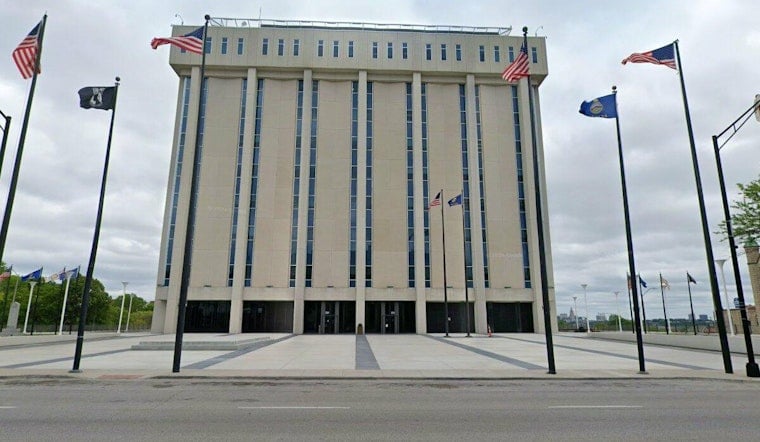
The Unified Government Board of Commissioners in Kansas City, Kansas, has taken the first formal step toward a possible property tax hike that could bring in as much as $11 million in new revenue starting with the 2027 budget year.
On July 16, commissioners voted 6-3 to let city and county staff draw up a budget that could exceed the current property tax levels. The move does not actually raise mill levies yet. Instead, it sets a legal ceiling and kicks off the official budget season, complete with public hearings in August. Critics on the commission argued leaders should put spending cuts on the table before asking homeowners to chip in more.
For now, the decision mainly locks in the calendar and opens a clear window this summer for residents to weigh in while the Unified Government’s finance team runs the numbers.
What the commission actually approved
The 6-3 vote came after several failed motions and a last-minute compromise that capped any potential increase at one mill for both the city and the county. That sets maximum mill levies of 37.219 for Kansas City, Kansas, and 36.704 for Wyandotte County, according to Wyandotte News Daily.
Commissioners Phil Lopez, Chuck Stites and Andrew Kump opposed the measure, warning that even a one-mill bump is not a minor change for residents already feeling pressure from higher costs across the board.
How much could the UG collect?
The resolution gives budget staff room to recommend changes that, if ultimately adopted, could bring in up to $11 million more in combined property tax revenue next year.
Commissioners also set key dates for the rest of the process: a budget preview on Aug. 6, a public hearing on Aug. 25 and a final budget adoption deadline of Aug. 27, according to The Kansas City Star.
Why leaders say they need more money
Budget officials say costs are climbing faster than revenue. Operating expenses and personnel spending are rising, and a large share of the Unified Government’s budget is locked into public safety and state-mandated services that are difficult to cut.
Unified Government Budget Director Reginald Lindsey and Mayor Christal Watson have both warned that reserves have slipped below the government’s own policy targets, while backlogged work on streets, parks and public facilities keeps growing, according to KSHB.
Numbers behind the math
Property taxes already account for a hefty share of the Unified Government’s income. Taxpayers are projected to pay roughly $280 million in combined property taxes to the Unified Government in 2026: about $185 million to the city side and around $95.8 million to the county, according to The Kansas City Star. According to the Unified Government of Wyandotte County and Kansas City, on August 25, 2024 the UG Commission voted six to four to adopt an amended 2024/2025 budget described on the UG website as "adopting $472M budget with $360M budget for the ...".
How the law works
Kansas law requires any local government that plans to collect more than the “revenue-neutral” amount in property taxes to follow a strict process. The body must notify the county clerk by July 20, publish notice of a public hearing at least 10 days in advance and explain how residents can use the protest petition process. These rules, laid out by the Kansas Legislature, are the framework the Unified Government now has to follow.
Next steps and local reaction
Mayor Christal Watson has instructed staff to bring back an itemized breakdown of what it actually costs to run the city each year and told departments to gather detailed operating-cost data ahead of the August hearings.
Opponents of the tax ceiling say they want to see concrete proposals to trim spending and boost efficiency before the commission signs off on any plan that would pull more from residents’ pockets, according to Wyandotte News Daily.
Residents who want a say in how this plays out should watch the Aug. 6 budget preview and try to attend the Aug. 25 hearing. The commission is expected to cast its final vote in late August. That is when the real fight will sharpen around which priorities win out: roads and infrastructure, public safety, healthy reserves or a lighter hit to homeowners’ tax bills.





