

























































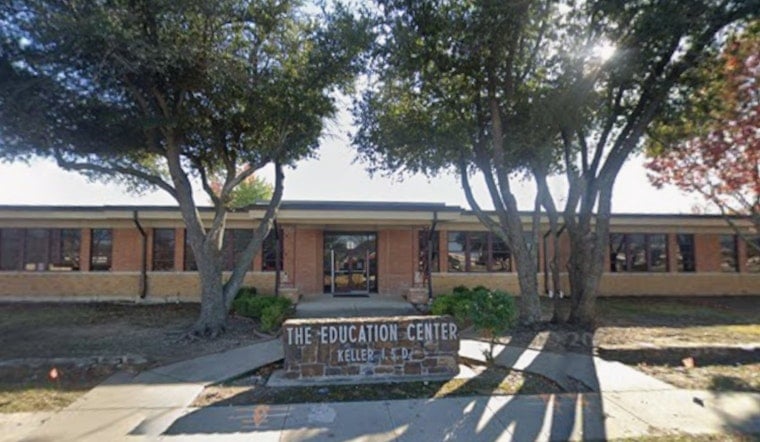
Keller Independent School District and Grapevine-Colleyville ISD are now part of a growing wave of Texas government bodies suing the state attorney general to keep certain records out of the public eye. At the center of the fight are unredacted legal invoices, the line-by-line fee details that parents and watchdog groups say should be basic public information. Instead of simple answers about who got paid for what, residents are watching districts and the state spend more public money battling over access in court.
Records Show A Statewide Backlog
According to the Fort Worth Star-Telegram, records from the Attorney General’s Office showed about 151 pending suits in Travis County as of June 12. Billing records reviewed by the paper put the state’s legal costs for defending those disputes at more than $150,000. The Star-Telegram reported that the list includes Tarrant County school districts that went back to the attorney general seeking to stop the release of documents the office had already ordered disclosed.
That mix of repeated challenges and slow-moving courts is exactly what has parents and transparency advocates worried. Routine spending questions are getting parked in Travis County court dockets instead of being answered with a stack of invoices.
What The Law Says About Fee Bills
Under the Texas Public Information Act, some categories of records are treated as presumptively public. That list includes “information that is in a bill for attorney’s fees,” unless another law makes it confidential. See Gov. Code §552.022(a)(16).
In written rulings on school district requests, the Office of the Attorney General has applied that rule to legal invoices and explained that districts may redact narrow portions that reflect privileged attorney-client communications or attorney work product. What they cannot do, the office has said, is withhold entire invoices simply by labeling them privileged. The agency has laid out that analysis in recent opinions such as OR2025-029660 and OR2025-030488.
Why Keller And Grapevine-Colleyville Pushed Back
Both Keller ISD and Grapevine-Colleyville ISD filed suit after the attorney general ruled that invoices tied to work by attorney Tim Davis had to be released, according to the Fort Worth Star-Telegram. Parents, including Rachel Wall, say they have been waiting years to see those billing details and argue that basics such as hours, rates and totals are not privileged legal advice.
Reporting in the Texas Observer has highlighted the broader political backdrop in which Davis and other politically connected advisers have been hired by conservative trustees in North Texas. Critics quoted in that coverage say that context makes transparency around how those contracts are structured and how much they cost especially important.
Some Fights Have Reached High Courts
When a governmental body loses before the attorney general, it can take the issue to court, and some of those fights have climbed all the way to the Texas Supreme Court. That is a reminder that disputes over invoices and other records can grow into significant legal tests.
One recent high-profile decision over agency records shows how courts handle questions about deadlines and privilege when the attorney general and another state agency collide. See TCEQ v. Paxton.
What It Means For Taxpayers
For local residents, the immediate effect is less visibility into how public dollars are spent and more money going to lawyers on both sides. Transparency advocates say the system gives school districts and other agencies a straightforward way to delay routine disclosures by pulling them into lengthy Travis County litigation. Critics also raise concerns about the optics of spending public funds on outside counsel in politically charged school board battles.
Legal Bottom Line
Under the Public Information Act, a governmental body that wants to withhold information after an attorney general ruling must sue the attorney general in Travis County under Gov. Code §552.324. A district judge then decides the matter anew. That framework keeps a judicial check on the attorney general’s decisions, but it also creates backlogs, added expense and uncertainty for people requesting what are often ordinary records. Until a court rules, some line-item fee details can remain out of public view.
Parents and local watchdogs say they are looking for the math on public bills, not a litigation calendar that stretches into years. As Keller and Grapevine-Colleyville move their cases through the courts, those invoices could eventually surface unredacted in open court, or they could remain sealed for much longer.





