

























































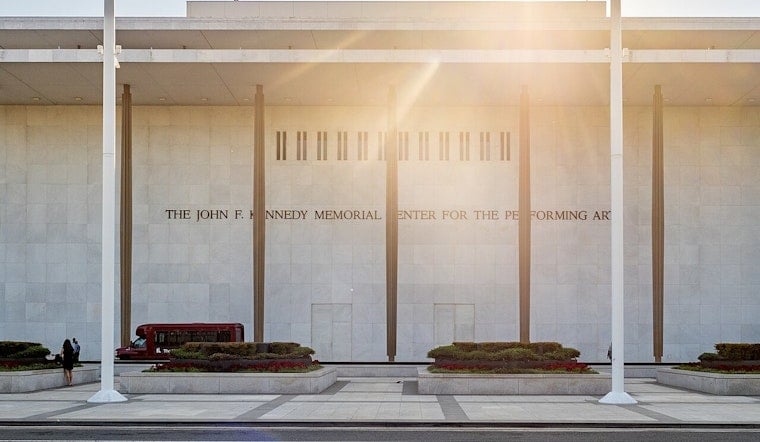
On June 9 at the John F. Kennedy Center's Eisenhower Theater, a national civics final put on by the U.S. Department of Education looked a lot less like an academic showdown and a lot more like a game show. Twenty high school finalists from across the country fielded rapid‑fire oral questions in front of a live audience and TV cameras, with the Department packaging the whole thing into a CBS primetime special that aired June 30.
Inside the Soundstage
Organizers turned the Eisenhower Theater into a star‑spangled soundstage, complete with LED animations of Constitution script and looming portraits of the founding fathers. A department staffer handed out miniature American flags in the Kennedy Center lobby, according to Bloomberg. The result put the students and their answers on a heavily produced platform that walked the line between serious civics contest and patriotic TV pageant.
A White House‑Backed TV Push
The Department of Education and CBS billed the Presidential 1776 Award as a nationwide civics competition and rolled out plans for a primetime broadcast hosted by Mario Lopez, according to the U.S. Department of Education. “As America approaches its 250th birthday, the Presidential 1776 Award is helping inspire a new generation of informed and engaged citizens,” Education Secretary Linda McMahon said in the department’s release.
Part of a Broader ‘Patriotic Education’ Push
The Kennedy Center finale is part of a larger departmental effort to elevate civic literacy and what officials call “patriotic education” in federal grantmaking. The agency has said it will partner with a coalition of conservative groups tied to America’s 250th anniversary initiatives, the Hechinger Report notes. Critics warn that those partnerships and proposed rule changes could channel federal grant dollars toward a more partisan reading of American history.
Critics Call It Political Theater
Attendees and reporters described the showdown as highly produced, and skeptics say turning a civics contest into network television risks blurring student accomplishment with political messaging. Bloomberg reported that the department used the made‑for‑TV civics bee to present a softer, friendlier version of the administration’s agenda than its more confrontational policy moves. Education advocates counter that no amount of red, white and blue production value should substitute for scrutiny of how federal civic programs are designed and run.
Prizes, Process and Transparency
According to the Department’s press materials, more than 8,000 students initially entered the competition, and 20 national finalists ultimately advanced to the oral rounds in Washington. The agency’s release promises scholarships “of up to $150,000” and also states that “the top three finalists will win $250,000 in scholarship prizes,” an inconsistency in its public materials that has not been clarified by other sources, per the U.S. Department of Education.
For Washington‑area readers and local educators, the Kennedy Center production is a reminder that federal agencies help decide not just what civics looks like in the classroom, but how it is staged in public. The spectacle sends policy signals, and lawmakers, school leaders and watchdogs are likely to push for more clarity on how the contest was funded, how the winners were chosen, and whether future federal civics efforts will lean more toward pageants than traditional lessons.





.jpg)