

























































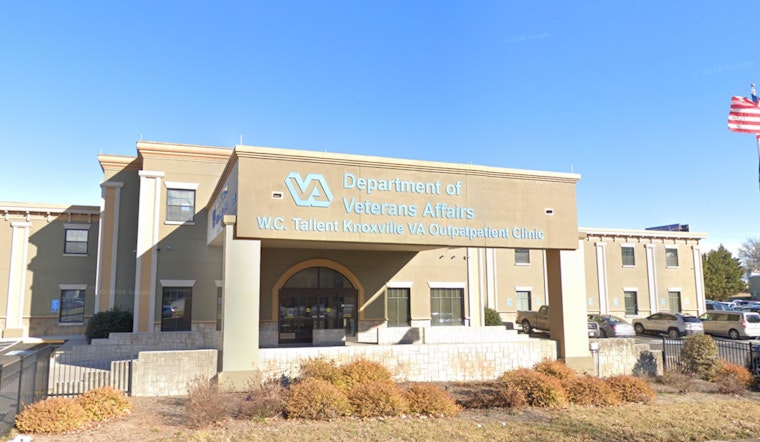
A Knoxville veteran rated 100 percent permanently and totally disabled was told by the Department of Veterans Affairs that he owed more than $42,000, only to see the demand erased and his benefits restored after a paperwork scramble. Dr. Ron Higgs, a retired physician who suffered a stroke in 2019 and uses a wheelchair, said VA letters warned that his monthly benefits would be docked while the agency tried to claw back what it called an overpayment. The demand disappeared after Higgs or his representative submitted documents the VA said it did not have.
As reported by WATE, Higgs received letters in March 2025 and May 2026 stating the VA would withhold about $1,168 a month until the alleged overpayment was repaid. The letters also referenced multiple attempts since 2023 to verify his spouse’s dependent status. According to the station, the move followed a review of his file after his wife, who had served as his caregiver, died in November 2025. VA officials told reporters the benefit reduction was temporary and that payments were restored soon after the veteran or his power of attorney answered the agency’s requests.
"I owe them 40-something thousand dollars? For what?" Higgs told WATE, recalling his reaction when the notice landed. He said his step-daughter, Karrie Lipscomb, has stepped in as his caregiver since his wife’s death and that he intends to keep pushing to have her formally recognized in that role. Higgs, a Vietnam-era veteran drafted in 1968 who served as a scout-dog platoon leader, says he relies on family care because of paralysis on his right side and extensive heart procedures.
How the VA Verifies Dependents and Chases Debts
VA officials rely on formal dependency filings to set benefit levels and send written Notices of Indebtedness when they decide an overpayment exists. Veterans typically report changes in dependents using VA Form 21-686c. The agency also maintains an online portal where veterans can review overpayments and copay bills and learn how to pay, challenge, or otherwise deal with those debts. On its debt pages, the VA lays out payment options, ways to dispute a bill, and the role of the Debt Management Center in handling collection.
Deadlines, Disputes, and Requests for Relief
Under VA financial rules, beneficiaries receive a Notice of Indebtedness that explains deadlines and rights to dispute the debt, ask for a waiver, or request a hearing. In some situations, the agency may pause involuntary collection while those requests are considered. VA policy describes how the Debt Management Center and committees on waivers and compromises review these cases and when offsets or referrals to the Treasury Department may follow. Veterans and caregivers should be aware that there are specific timelines and required forms if they want to halt collection activity or apply for relief.
Higgs said the VA’s reversal lifted a major financial weight from his household, but his family still plans to press for formal recognition of his step-daughter as his caregiver to minimize the risk of future disruptions. His situation serves as a warning for veterans and their families to keep dependency and caregiver records current and to respond quickly to any VA notices. Local veterans service officers or a VA-accredited representative can help with forms, disputes, and appeals for those facing similar demands.





