

























































On July 1, 2026, Los Angeles County flipped the switch on a new behavioral-health funding system as local programs began operating under California’s Behavioral Health Services Act. The shift rearranges how money moves for mental health and substance use services across the county, and officials say the rollout has been staged to avoid service disruptions along the way. County leaders are tying the new rules to a revised 2026-27 budget and state bond dollars that are earmarked for building treatment sites and supportive housing.
What changes on July 1
Proposition 1 turned the former Mental Health Services Act into the Behavioral Health Services Act and paired updated spending rules with a roughly $6.4 billion behavioral health bond, according to the California Department of Health Care Services. Under the BHSA, counties will still receive the bulk of local behavioral health revenue, but they must now slice it into three required buckets: about 35% for full-service partnerships, 35% for behavioral health services and supports, and 30% for housing interventions. The law also pulls some prevention and workforce programs up to the state level and adds new integrated planning, reporting, and accountability rules that counties have to follow.
How L.A. County Will Spend the Money
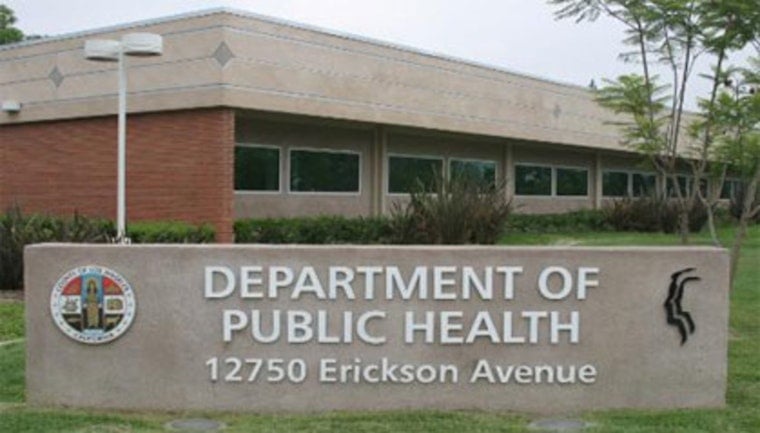
In Los Angeles, BHSA funds will run through the Los Angeles County Department of Mental Health, while the Department of Public Health’s Substance Abuse Prevention and Control bureau will oversee substance use components, as described in county performance contract materials that take effect July 1. The Board letter for that contract lays out the state and federal conditions DMH and DPH must meet to draw funding and report outcomes back to the California Department of Health Care Services. DMH has also posted planning slide decks, recordings, and FAQs that spell out how the phased rollout is being coordinated with community partners.
Where the money will go
The new breakdown sends a larger slice of local dollars into intensive, wraparound Full-Service Partnerships: teams that combine housing, treatment, employment, and case management for people with complex needs. It also locks in a specific share for housing interventions such as rental subsidies and operating supports. According to state guidance, the overhaul expands the county’s responsibility for substance use treatment within the broader behavioral health system. County budget documents for 2026-27 estimate roughly $900 million in Proposition 1-related dollars flowing from the state, and county leaders are using that figure to structure the first year of investments and contracts.
Stakeholder process and what comes next
The county’s BHSA plans were built through a lengthy public process. One local account notes that planning pulled in more than 220 stakeholder organizations, and Los Angeles County has posted dozens of stakeholder meetings, housing forums, and workstream presentations online. As outlined on the Los Angeles County Department of Mental Health, those materials sort the work into housing, prevention, workforce, and full-service partnership tracks while staff assembles the county’s three-year Integrated Plan. Once draft plans are submitted, the state will review them under BHSA rules, and counties will have to make any required updates or face corrective steps if they fall short of the standards.
What it means for clients
County officials and DMH leaders have repeatedly stressed continuity of care during the transition. In an interview cited by a local outlet, DMH Director Dr. Lisa H. Wong said “the transition will be seamless for consumers.” Planning minutes and stakeholder materials also list “continuity of care” as a formal priority while the county shifts contracts and budgets into the new categories. The performance contract and California Department of Health Care Services guidance both layer in monitoring and reporting requirements that are designed to protect service levels as the new funding structure is phased in.





