

























































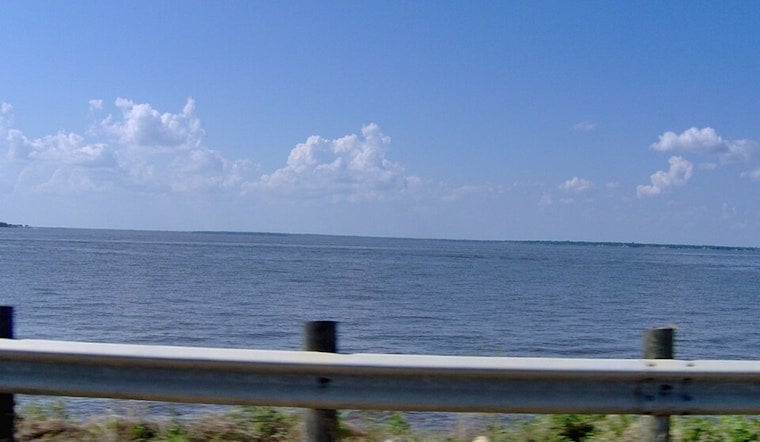
A massive hyperscale data center proposed beside Cedar Creek Lake is eyeing millions of gallons a day from the reservoir that helps keep Fort Worth taps running. The size of the request has water managers and lakeside residents on edge, while utilities scramble through paperwork and site surveys to figure out whether the promise of new investment is worth the strain on a critical supply.
According to the Fort Worth Report, a raw-water application filed in March through the West Cedar Creek Municipal Utility District lists the proposed use simply as "Data Center" and initially asks for up to 5 million gallons per day. The paperwork ties the site to an option-holder and a Delaware LLC and includes 30-year demand projections. Neighbors and local officials say a request on that scale should only move forward after a full technical and environmental review.
Why Cedar Creek matters
Cedar Creek Reservoir is one of the primary raw-water sources feeding the North Texas system. It stores hundreds of thousands of acre-feet that have to be carefully managed for drinking water, recreation and habitat, often all at once. The Tarrant Regional Water District has described pumping large volumes from Cedar Creek, roughly 170 million gallons on peak summer days, into the broader Metroplex network. At the same time, the City of Fort Worth’s water utility reports average systemwide use near 216 million gallons per day, a figure that helps explain why any new industrial draw immediately attracts scrutiny as per City of Fort Worth Water Annual Report.
What the application shows
Public records and engineering questionnaires reveal a quick back-and-forth between the applicant and utilities as everyone tries to pin down the facility’s true water needs. As detailed by the Fort Worth Report, the original 5 MGD figure drew pushback, and later engineering responses suggested that demand could be lower if dry-cooling technology is used. In response to the uncertainty, the local MUD board voted to temporarily pause new high-intensity water commitments while agencies complete their technical reviews, leaving TRWD as the final gatekeeper on any long-term surface-water contract.
Who is behind the proposal
The public filings do not name a marquee hyperscale operator. Instead, the deal is being advanced through option holders and an infrastructure-entitlement developer. Industry coverage notes that Diode Ventures, an entitlement and site-development arm affiliated with Black & Veatch, frequently lines up land, power and water access, then sells fully entitled campuses to major data center buyers. It is a model that can speed project timelines for clients but can also leave communities negotiating with intermediaries rather than the company that will ultimately operate the site and consume local resources according to Data Center Dynamics.
Environmental and regulatory concerns
State water-quality records add another wrinkle. Cedar Creek and several of its tributaries appear on the 2026 draft Integrated Report as impaired for parameters such as pH and bacteria, a listing that triggers extra scrutiny for new discharges and withdrawals. The TCEQ draft 2026 Integrated Report flags multiple assessment units within the Cedar Creek watershed. Public filings summarized by local records groups indicate the developer proposes to pretreat industrial wastewater on-site, then send it to the MUD’s treatment plant for discharge into the Trinity River, a plan residents argue should face full permitting and public review before anyone starts pouring concrete, see Our Lake. Our Voice.
Legal implications
Local and regional officials are already trying to limit risk while the number-crunching continues. County commissioners have passed a resolution opposing high-volume data center water use, and the regional groundwater district has adopted temporary restrictions on new industrial wells. The recent Hill County fight, where a developer sued after a data center moratorium and the county quickly rescinded that ban, shows how these pauses can invite costly litigation and be undone in court almost as fast as they are passed. For local governments around Cedar Creek, that precedent is a flashing yellow light.
What happens next
Any surface-water contract that covers large daily withdrawals from Cedar Creek will require TRWD board approval, and district officials say they will not sign off without detailed hydrologic, engineering and environmental analyses on the table. TRWD is working through public records requests and holding community conversations while staff assemble the technical record for directors to review. Until those studies are complete, and any questions about deed covenants and permits are resolved, the data center remains a proposal under tight scrutiny. Residents downstream can expect more meetings, more documents and plenty of fine print in the weeks ahead.





