

























































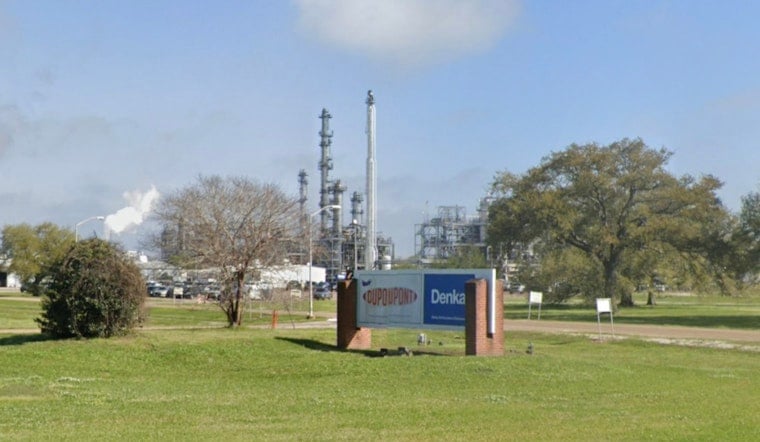
The long-running federal fight over hazardous waste at LaPlace's Denka neoprene plant is ending with a hefty bill and a cleanup to match. Under a newly finalized consent agreement, Denka Performance Elastomer must pull chloroprene-laced waste out of open pits, overhaul how it handles the toxic byproducts and pay just under $1 million while the shuttered site stays offline.
The deal effectively wraps up a yearslong federal probe into how the plant managed neoprene manufacturing waste, after repeated alarms over elevated chloroprene readings in nearby neighborhoods and mounting pressure from residents, environmental advocates and litigators.
According to the EPA, the June consent agreement requires Denka to certify that it has cleaned out and removed remaining liquid and solid chloroprene waste from an outdoor brine pit, upgrade waste handling areas and equipment, verify the integrity of storage tanks, keep chloroprene-related waste in compliant containers, control emissions from those containers and provide training and protective gear for workers. Federal officials say the company will pay a civil penalty of about $996,703, and the order will stay in place until Denka proves it has met the terms and regulators sign off on ending it.
Inspectors Say Waste Pit Transfers Sent Toxic Fumes Skyward
Federal inspection records describe a system that turned routine waste transfers into toxic fog. The plant had been moving "poly kettle strainer" waste into an open-air brine pit, and that process, inspectors found, created intense chloroprene fumes as the material was ferried outside.
As reported by NOLA.com, air samples taken during those transfers captured chloroprene concentrations as high as 243,000 micrograms per cubic meter, levels federal regulators labeled excessive and dangerous.
Plant Shutdown Followed Money Trouble And Pollution Costs
Production at the LaPlace neoprene unit came to a halt in May 2025 after Denka reported steep financial losses and rising costs tied to beefed-up pollution controls, according to The Guardian. The company has repeatedly pointed to what it says are tens of millions of dollars in investments in emissions controls, and company statements and public records show large drops in annual chloroprene releases compared with the mid-2010s.
Even so, short-term emission spikes and the way historical waste was handled kept regulators, neighbors and advocates pressing for tougher oversight and permanent fixes.
What The Deal Actually Requires
The settlement resolves alleged violations of the Resource Conservation and Recovery Act related to how Denka determined, stored and disposed of hazardous waste. Under the EPA order, the company does not admit liability on the six counts alleged, but it does agree to clean up the site, install or improve equipment and processes and provide worker training and enhanced waste controls if the plant ever restarts.
The consent agreement lays out specific steps for removing residual chloroprene waste from pits and equipment, tightening storage and handling standards and documenting compliance. EPA will monitor those steps as the company works through the checklist.
Penalty Seen As Small Hit Compared To Possible Maximum
On paper, the law would have allowed for much steeper fines. Under the penalty provisions EPA cited, daily violations could have run far higher. As NOLA.com noted, the roughly $996,703 penalty works out to about eight days at the statutory maximum daily rate across the counts EPA alleged.
Local advocates have called the deal a partial victory. The money is real, they say, but the bigger test will be whether Denka actually follows through on cleanup commitments, whether oversight is transparent and whether long-term controls remain enforceable if the facility attempts a comeback.
Community And Regulators Eye The Next Chapter
The consent agreement makes clear that EPA will consider the case resolved only after Denka certifies that residual wastes have been removed and the plant can comply with hazardous waste rules over the long haul. Federal oversight will continue if the company moves to restart production.
Residents and environmental groups, who have been organizing and gathering their own readings for years, say they have no plans to stand down. They intend to continue independent testing, watchdogging the cleanup and keeping public pressure on Denka and regulators to ensure both the promised remediation and protections for workers are fully delivered.





