

























































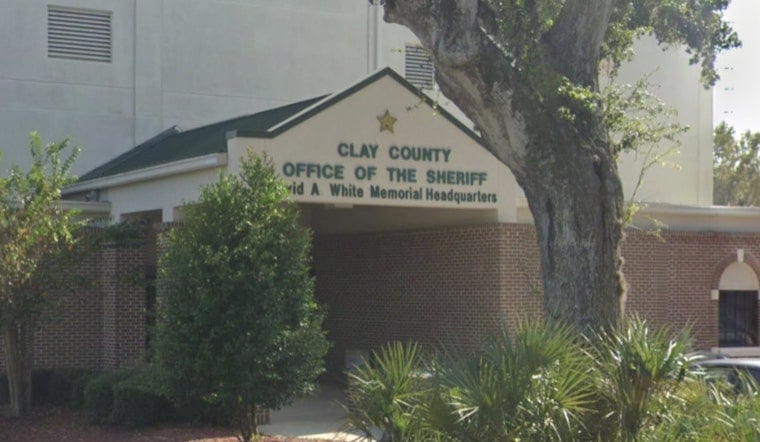
A new civil lawsuit is putting a harsh spotlight on the Clay County Sheriff’s Office, accusing a deputy of being drunk when he caused an on-duty crash and pulling Sheriff Michelle Cook into the legal crosshairs in her official role. The complaint, filed Tuesday, asks a court to hold the sheriff’s office responsible for the deputy’s alleged conduct and seeks money damages for the people involved in the collision.
According to Action News Jax, the lawsuit claims the deputy had been drinking either before or during his shift, then caused the crash while on duty. The station reports that Sheriff Cook is named in her official capacity, with the suit seeking compensation from both the sheriff’s office and the deputy.
What the complaint alleges
The filing alleges the deputy showed clear signs of impairment and then struck another vehicle while performing official duties. The lawsuit names the sheriff’s office and asks a state court to hold the agency liable for the deputy’s on-duty actions under Florida negligence law.
How Florida law treats suits against sheriffs
Florida law allows people to sue government agencies when public employees commit negligent or wrongful acts within the scope of their jobs. The state’s partial waiver of sovereign immunity is spelled out in Florida Legislature materials on section 768.28.
That statute lets injured parties pursue damages in situations where a deputy’s on-duty negligence would have made a private employer legally responsible in a similar case. At the same time, it places specific procedural requirements and limits on how much can be recovered from government entities.
Legal precedent and hurdles
Federal civil-rights claims are another story. In its landmark Monell decision, the United States Supreme Court held that cities and counties cannot be found liable under Section 1983 just because they employ someone who violated the Constitution. As summarized on Justia, plaintiffs instead have to show that an official policy or longstanding custom caused the violation.
Even so, plaintiffs regularly bring state-law negligence claims against sheriffs in Florida when deputies’ on-the-job conduct is at issue. Courts have allowed those cases to move forward where the scope of employment is a central question, including litigation detailed in Justia for cases such as Slone v. Judd.
About Sheriff Michelle Cook
Sheriff Michelle Cook has led the Clay County Sheriff’s Office since being sworn in as sheriff in September 2020, according to the agency’s official biography on the Clay County Sheriff's Office website. The office she leads is the agency named in the complaint.
When a sheriff’s office is sued, county attorneys or the agency’s insurers typically handle the civil defense and any settlement negotiations. That process can put internal risk-management practices under a microscope as a case moves through the courts.
The lawsuit is still in its early stages. Court rules will dictate when the sheriff’s office and the deputy have to respond, how discovery will unfold, and when any key hearings will be held. This story will be updated as new filings appear in the public record or if the sheriff’s office issues a formal response.





