

























































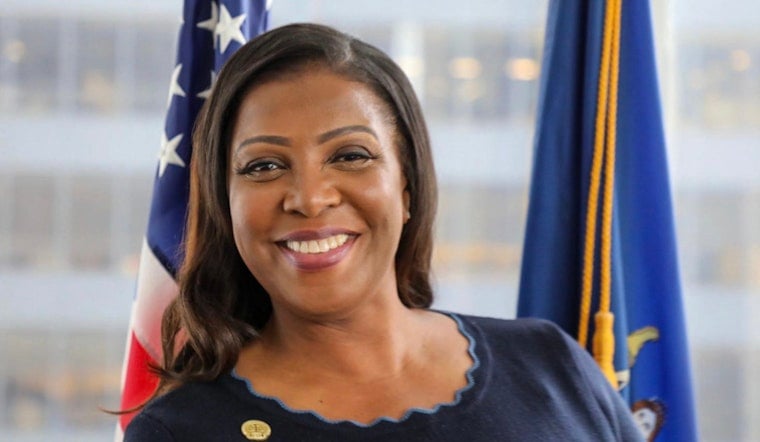
New York Attorney General Letitia James has hauled in a $45 million settlement from Block, the parent company of Cash App, after regulators said the fintech giant repeatedly left customers wide open to scams. The deal forces Block to overhaul how Cash App handles fraud, beef up live customer support, and tone down marketing that officials say painted a rosier picture of protections than users actually got. For people who treated Cash App like a checking account, this is a clear signal that regulators are done letting fine print carry all the risk.
Block, the company behind @CashApp, knew its users were being scammed by fraudsters and failed to protect them.
— NY AG James (@NewYorkStateAG) July 8, 2026
Now, my office and a bipartisan group of AGs secured $45 million from Block.
I'll always hold businesses accountable when they prioritize profits over people.
What Block Must Do Under the Deal
Under the multistate settlement, Block will pay $45 million and roll out a slate of new protections, including stronger fraud monitoring, public education for consumers, and expanded live support with specific daily operating hours, according to the New York Attorney General. About $1.6 million of that total will go to New York, and the company must meet its existing legal obligations to investigate unauthorized transactions and reimburse users when the law requires it.
How Regulators Say Cash App Left Users at Risk
Investigators say Cash App’s setup turned into fertile ground for scam networks. They point to limited identity checks, incentives that made it easy to spin up multiple accounts, and a lack of reliable phone support that nudged frantic victims toward fake customer service lines, according to the attorney general’s office. Federal watchdogs reached similar conclusions in January 2025, when the Consumer Financial Protection Bureau issued a consent order that required Block to provide up to $175 million in consumer redress and penalties and overhaul how it handles disputes over unauthorized transactions, as detailed by the CFPB.
Part of a Longer Enforcement Push
The new settlement is only the latest hit to Block’s compliance record. In April 2025, New York’s Department of Financial Services imposed a $40 million consent order for anti money laundering and virtual currency compliance failures, according to NYDFS. Block has also told investors that it has set aside money for regulatory issues and is under continued oversight related to Cash App, disclosures that appear in its public filings with the SEC.
What James Said and What Comes Next
James cast the deal as a straightforward win for consumers, writing on X that she will “always hold businesses accountable when they prioritize profits over people.” On the ground, that is supposed to translate into quicker access to real human agents who can sort out fraud complaints and more upfront warnings about common scam tactics. Consumer advocates, however, are already warning that the real test will be how quickly and seriously Block follows through on the operational changes it has now agreed to.
Legal Implications
The agreement is a civil and injunctive settlement, not a criminal case, but it still expands the regulatory playbook for fintechs. By layering federal and state orders over the past few years, regulators are sending a message that running large scale payment platforms without solid know your customer checks and functional dispute processes is no longer just bad optics, it is a compliance risk that can bring repeat penalties and close supervision.
Officials say Cash App users who think they were hit by fraud should keep an eye out for official notices and use the app’s help center or federal complaint channels to flag any disputes that remain unresolved. The settlement is supposed to cut down on future harm and speed up refunds, and it will ultimately be judged on whether Block’s revamped systems actually choke off account takeover scams and get money back into victims’ hands faster.





