

























































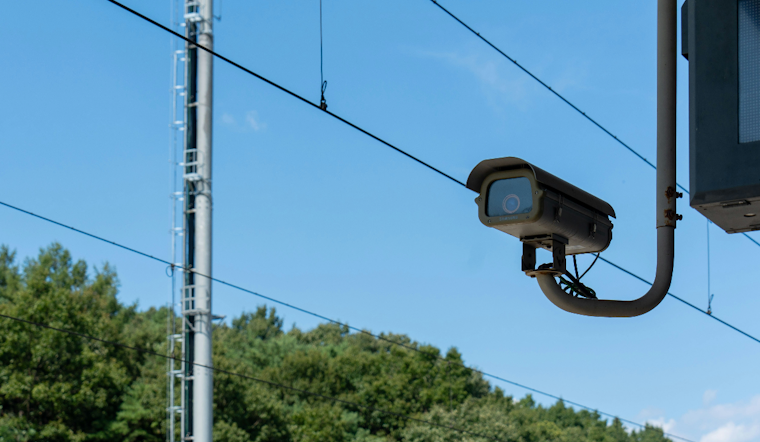
A crowd-sourced map and a wave of local reporting show a rapidly growing web of automated license-plate readers quietly spreading across Central Florida, from Orlando neighborhoods to Lake County roadways. The small black Flock Safety units sit on poles at intersections, retail driveways and neighborhood entrances, snapping plates and basic vehicle details as drivers roll by. Residents and privacy researchers warn the buildout amounts to an always-on travel log that deserves a lot more public scrutiny than it is getting.
Where The Cameras Are Popping Up
The volunteer project DeFlock and local reporters have charted hundreds of devices across Orlando, Titusville, Sanford and Ocala, and News 6 crews have physically confirmed dozens of those markers, according to WKMG/ClickOrlando. That reporting also notes DeFlock’s larger database has already logged large numbers of automated license-plate readers nationwide, showing how the technology has quietly moved far beyond a few small pilot programs.
What The Devices Actually Capture
Automated license-plate readers photograph passing vehicles, translate plate numbers into searchable text and store objective vehicle details like make, color and distinctive features. Flock Safety says its systems do not collect facial recognition data, that user searches are logged, and that images and footage are wiped on a rolling schedule, with a 30-day default unless a local law or contract requires something different. Flock Safety publishes those retention and access promises on its own trust pages.
Why Some Neighbors Are Not Having It
Across Florida and far beyond, civil-liberties organizations and community activists argue the cameras expand government and corporate surveillance without enough public debate or clear rules for data sharing and searches. State and regional coverage has highlighted both dense deployments in South Florida and mounting anxiety over how agencies or third-party partners could use plate data, according to the Miami Herald. That kind of scrutiny has already pushed councils and watchdogs in multiple states to call for tighter rules, stronger policies and formal audits of license-plate reader programs.
What Local Police Are Telling Reporters
Central Florida law-enforcement agencies tell reporters they lean on the cameras to spot stolen vehicles, support criminal investigations and help locate missing or endangered people. The Mount Dora Police Department, for instance, told News 6 that “LPRs are not used to monitor law-abiding citizens or track individuals’ daily activities” and that the system is run under departmental policy with retention controls in place, according to WKMG/ClickOrlando.
Investigative Upsides And Real Limits
Supporters point to specific investigations in which plate readers and traffic cameras helped narrow search areas, aided searches or undercut shaky alibis, potentially saving detectives time when cases turn serious. At the same time, watchdog groups and recent audits have documented broad queries, questionable searches and other misuses that have become Exhibit A for those demanding tougher oversight and clearer legal boundaries on how these databases can be tapped.
The Legal Fights And Oversight Gaps
Privacy advocates and national civil-liberties groups warn that platforms pooling license-plate data from many communities are ripe for abuse if there are not strict rules on who can access the information, when warrants are required and how long records can be kept. The Electronic Frontier Foundation has chronicled problematic searches and pushed for reforms, while local ACLU chapters have pressed for safeguards and public hearings. EFF and the ACLU of Florida both stress that policy gaps, not just the hardware itself, drive the biggest risks. At the state level, public-records laws and investigatory exemptions mean rules on access and disclosure can differ widely by agency, which puts a premium on local transparency and open contract terms.
How Residents Can Check The Map And Ask Questions
Residents who want to know where cameras are watching can turn to crowd-sourced tools like DeFlock’s maps, then press their local departments for details on contracts, retention periods and audit logs. For communities that are trying to balance the promised crime-fighting benefits with the privacy tradeoffs, advocates say the most common next steps are straightforward: demand clear written policies, push for public hearings and insist on regular independent audits of license-plate reader use.




