

























































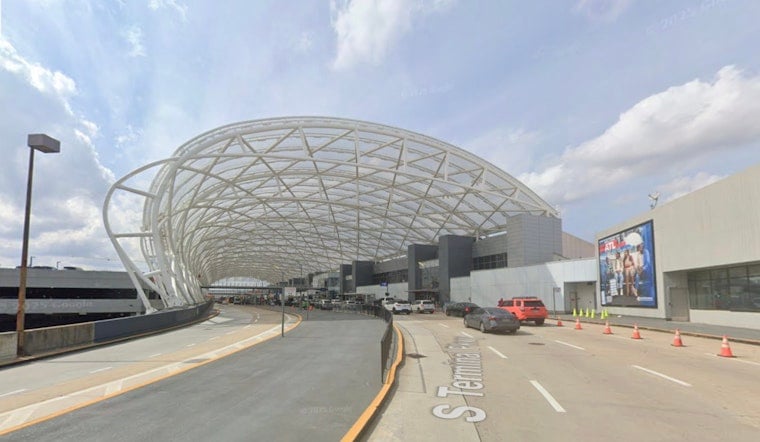
Thunderstorms rolling across metro Atlanta triggered a ground stop for inbound flights to Hartsfield-Jackson Atlanta International Airport on Thursday evening, throwing a wrench into travel plans at the world’s busiest hub. The Federal Aviation Administration ordered the pause until 7:15 p.m. EDT, leaving some passengers staring down missed connections and long lines at customer-service counters while airlines and airport crews scrambled to reshuffle arrivals and reroute aircraft around lightning and heavy rain.
According to Atlanta News First, the restriction applies to flights that had not yet departed for ATL and was slated to last until 7:15 p.m. EDT. The station labeled the situation as developing as storm cells pushed through key arrival paths. Travelers with evening connections through Atlanta were warned to brace for rebookings and longer waits as airlines reshuffled schedules.
The FAA’s daily air-traffic report cautioned that thunderstorm activity could slow operations at ATL on Thursday and flagged the potential for ground stops and flow restrictions, the FAA says. As the hold took effect, flight-tracking site FlightAware showed growing numbers of flights listed as delayed or diverted.
The National Weather Service office in Peachtree City had already highlighted rounds of afternoon thunderstorms across north Georgia and issued localized warnings as cells fired up near the airport’s arrival corridors, NWS Atlanta notes. Lightning in particular can stop ramp and landing operations outright, creating safety constraints that leave controllers no choice but to temporarily halt inbound traffic.
How ground stops work
Ground stops are ordered by the FAA’s Air Traffic Control System Command Center to hold aircraft at their departure airports until approach routes and ramp conditions are considered safe, with details posted on the FAA’s advisory page, the ATCSCC notes. The pause gives ramp crews time to clear gates and keeps pilots from flying into active lightning or strong crosswinds near the airfield. Because Atlanta serves as a major connecting hub, even a relatively short stop can ripple into widespread delays and cancellations across the broader flight network.
What travelers should do
Passengers scheduled to arrive at or connect through ATL tonight should keep a close eye on airline apps and airport flight boards and be prepared for rebooking or extended waits at customer-service counters. The FAA’s real-time system-status site and airlines’ flight information pages will carry the latest updates, FAA system status. If you are working with a tight connection, it is smart to contact your carrier quickly to ask about alternative routings.
Hoodline has previously detailed how earlier July ground stops at ATL showed that quick-moving summer storms can repeatedly trigger brief but disruptive pauses, which helps explain why travelers often run into trouble during afternoon thunderstorm season, as afternoon thunderstorms bring Hartsfield-Jackson to a screeching halt. Airport operations may bounce back within minutes, but baggage handling and crew reassignments can leave passengers waiting well beyond the initial weather hold.
We will update this story if the FAA, Hartsfield-Jackson or major airlines issue formal statements or change the ground-stop status. For now, travelers should expect lingering delays and plan on extra time if they are heading to or through ATL this evening.





