

























































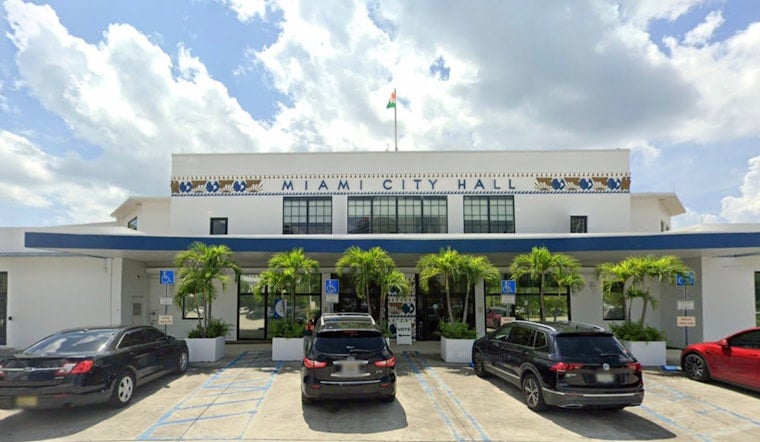
Little Havana homeowner Angelica Martinez says Miami City Hall has boxed her in with a $55,650 code-enforcement lien that she never saw coming. The city, she says, has effectively blocked her from selling or renovating her house over construction work she insists was done before she bought the property in 2019. Her attorney is calling the lien both improper and financially crippling.
City says permit gaps created the lien
According to CBS News Miami, city inspectors visiting the property in September 2024 reported seeing contractors replace roof framing, put up a wood fence and build a concrete driveway, all without the proper permits. At a Code Enforcement Board hearing on January 22, 2025, the board ruled the property was in violation.
Officials told CBS News Miami the board gave 120 days to fix the problems and warned that if the work was not brought into compliance, a $150 per day fine would kick in. City records show permits for the fence and driveway were not submitted until July 31, 2025 and were not finalized until February 9, 2026. By then, the daily fines had piled up into a $55,650 lien.
How the city enforces fines and liens
The City of Miami's Code Compliance department explains that when a property stays out of compliance past a board deadline, the board can start per day fines and then record a certified copy of its order in the public records as a lien. The department notes that owners can ask for mitigation hearings, secure an affidavit of compliance and request a formal release once fines are paid or the violation is corrected. The city provides guidance and forms for those steps on its website.
State law and the risk to owners
Florida's Chapter 162 gives local code enforcement boards the power to issue administrative fines that accrue daily and to record those orders as liens against a property. Those liens can complicate or block a sale or refinance until they are cleared. While homestead protections limit foreclosure in many situations, a recorded lien still clouds the title and usually has to be addressed through a mitigation hearing or settlement before an owner can move on.
Attorney: lien "doesn't exist"
Martinez's attorney, Ari Pregen, told CBS News Miami that "The City of Miami is stopping my client from fixing her own home over a lien that doesn't exist." Pregen, who runs The Code Clinic, said he could not find any sign of the lien in the city's public records. He argues that the unresolved claim has left Martinez unable to move forward with needed repairs or put the property on the market.
Next steps and hearing date
Martinez says, "It's just a mistake, a very expensive mistake they're making me pay for," and contends the lien has essentially frozen her home in place. Her case is set for a mitigation hearing on September 22 before the Code Enforcement Board, which will have the power to reduce the fines or order a release if it finds that the violations have been cured.
What homeowners should know
Martinez's situation underscores how quickly daily code fines can snowball and how even a clean-looking permit history or title search may not fully shield new buyers from old problems. The City of Miami offers a City of Miami process for a Release of Lien Request and other tools for owners who bring properties into compliance. Attorneys caution that homeowners should pull records early and talk to counsel promptly if a lien surfaces, before the numbers grow any larger.





