

























































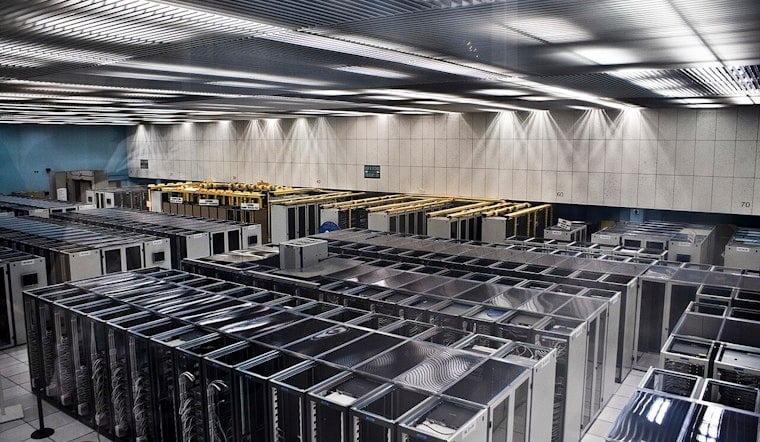
From the Lockhart-Uhland corridor to rural counties across Texas, neighbors are gearing up for a fight over a wave of AI data center projects they say could drain their wells, rumble through the night, and pave over working farmland. Public meetings and overflowing library rooms have turned into ad hoc war rooms, as residents trade notes on noise, truck traffic and the less visible costs they worry county leaders are not ready to handle. What used to be an abstract tech boom has landed squarely in the pasture.
The pushback is broad, not just loud. According to The Texas Tribune, Texas already has roughly 335 operating data centers and at least 248 more planned or under construction. A University of Texas/Texas Politics Project poll cited by the Tribune found that 56% of Texans oppose a data center in their own community, a figure that jumps to 62% among rural residents.
Much of that tension is flaring south of Austin. Developers, including Tract, Prime Data Centers, and Edged Energy, have lined up thousands of acres and multi-hundred-megawatt campus proposals in the Lockhart-Uhland area. County officials have already signed off on incentive packages and development agreements that some nearby landowners say they only learned about after the ink was dry. Those local fights have turned Caldwell County into a showcase for statewide arguments over land use, water, and who gets to call the shots, as reported by the Austin Chronicle.
Farmers Say Water, Quiet Nights and Livelihoods Are on the Line
At Emadi Acres outside Lockhart, farmer Derek Emadi told the local paper that a cluster of planned data center campuses near his greenhouses has him worried about his wells and the future of his operation. Neighbors say everyday farm rhythms - early irrigation runs, greenhouse work and late-night livestock checks - suddenly feel shaky in the shadow of looming server parks and their backup generators, according to reporting by the Austin American-Statesman.
How Thirsty Can One Data Center Be?
Those fears are not just about vibes. The International Energy Agency notes that a 100 megawatt hyperscale data center can draw on the order of 2 million liters of water per day once you factor in cooling and the water footprint of power generation. Add in the extra demand from nearby gas-fired plants some developers propose to pair with their campuses, and it is easier to see why farmers and water advocates are setting off alarms, according to the IEA’s Energy and AI analysis.
Power-Hungry Campuses Could Reshape the Grid
Electricity is the other big sore spot. The state grid operator’s outlook, cited in local coverage, shows peak power demand could soar over the next decade if a large share of proposed data centers and related projects actually get built. That kind of load spike has regulators and utilities talking about on-site generation, curtailment rules, and other guardrails that might keep the lights on for everyone else. Reporting in the Houston Chronicle sums up ERCOT’s projections and the trade-offs state and local officials are now weighing.
Industry, Local Officials, and the Governor Are Not Aligned
Industry trackers say the map of digital infrastructure is shifting fast, with existing space and project pipelines swelling in Texas and the Austin–San Antonio corridor emerging as a marquee hotspot. CBRE’s market brief and related industry reports chart that rise. At the same time, Gov. Greg Abbott has called for tougher conditions on the buildout, including ideas that data centers supply more of their own power and reuse water, and has at times talked about restricting new projects in certain rural neighborhoods, as reported by The Texas Tribune.
Counties Hit the Brakes as Patchwork Rules Spread
Some counties and towns are trying to slow things down long enough to study the fallout. Officials in several rural counties have adopted short-term pauses on new projects or demanded more analysis, and some cities have moved to ban data centers inside city limits after bruising public fights. Those patchwork moves - documented in local reporting and public-record filings - mean outcomes will likely vary from county to county, with future legal challenges and state policy decisions determining who ultimately wins or loses, according to Texas Public Radio. Earlier regional coverage, including a report on how a data center giant gobbles up 3,000 acres outside Austin, has helped set the stage for the current backlash.
For now, the battles remain intensely local. Neighbors are pressing for hard caps on water use, stricter noise rules and clearer commitments on who pays for new roads and grid upgrades. Developers are still buying big tracts and touting aggressive construction timelines. Between the packed hearing rooms, county resolutions and statehouse skirmishes, Texas looks set for a long fight before it lands on any kind of stable ground rules for where server farms fit into farm country.





