

























































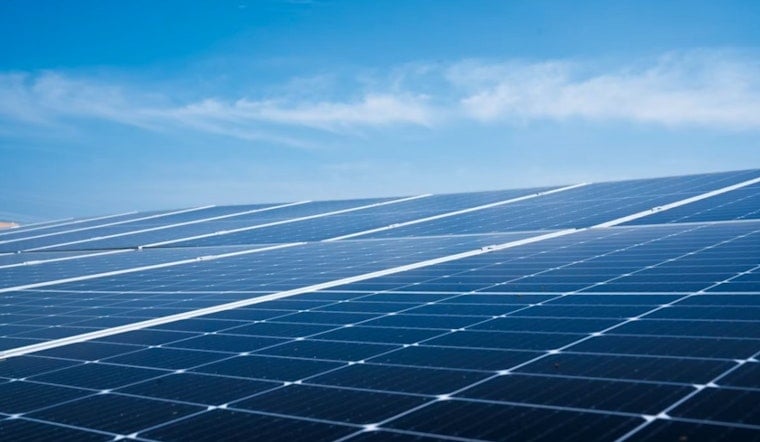
Gov. Joe Lombardo is cheering a federal move that could put a 500-megawatt solar-and-storage project in the Pahrump Valley on a formal environmental-review track, about 30 miles west of Las Vegas. The Mosey Solar Project would cover roughly 3,500 acres of public land in Clark and Nye counties, making it one of Southern Nevada’s latest tests of how aggressively the region wants to build renewable power in the desert.
The Bureau of Land Management released a notice of intent to prepare an environmental impact statement Thursday, and KLAS 8 News Now reported that Lombardo called the move a win for Nevada’s energy future. The governor said the project would strengthen the grid, create good-paying jobs and deliver lasting economic benefits to Southern Nevada.
The action is not an approval to build. The federal Permitting Dashboard lists the environmental review as planned, with a draft review target in January 2027, a final review target in December 2027 and a potential agency decision in June 2028. In other words, the public fight is beginning, not ending.
What Mosey Would Build Near Pahrump
According to a BLM project fact sheet, developer Renew Development HoldCo LLC proposes a photovoltaic facility with battery storage on BLM-managed land. The site is about 10 miles southeast of Pahrump, roughly two miles south of State Route 160, and would connect to the regional transmission system through a new 230-kilovolt line and the planned Trout Canyon Substation.
The project footprint is smaller than the broader land area BLM previously set aside for consideration, which totaled more than 5,200 acres. BLM describes the site as a solar variance area, meaning the application must be evaluated case by case for environmental impacts, agency coordination and public outreach rather than receiving an automatic green light.
Conservationists Warn Of Desert And Cultural Impacts
The proposal is already drawing opposition from conservation advocates. Kevin Emmerich, co-founder of Basin and Range Watch, told KLAS 8 News Now that Mosey could affect natural and cultural resources across more than five square miles of public land in the South Pahrump Valley.
Basin and Range Watch also says about 18,000 acres of public land in the area are being considered for large-scale solar development. The concern is not limited to panels: Utility-scale projects can also bring grading, access roads, transmission lines, battery facilities and construction activity to a landscape conservationists say contains important wildlife habitat and cultural resources.
The broader scale of the development push is outlined by The Mojave Project, which reports that the Pahrump Valley solar district includes multiple proposed, approved or operating projects covering more than 26,000 acres. Mosey is one piece of a much larger Southern Nevada energy buildout, which helps explain why the project has become a flashpoint before construction is even on the calendar.
Public Comments Will Shape The Next Step
The BLM’s public materials direct residents to its ePlanning system for project documents and comments, and the agency has identified Mosey as a proposal requiring formal review. Public input during scoping can help determine which effects the environmental statement must study, including impacts to water, wildlife, cultural resources and nearby communities.
For Lombardo, the project represents more power and economic development at a time when Nevada is courting new businesses and expanding communities. For critics, it is another major industrial footprint proposed for an already crowded desert valley; the environmental review will decide how much of either argument survives the paperwork.





