

























































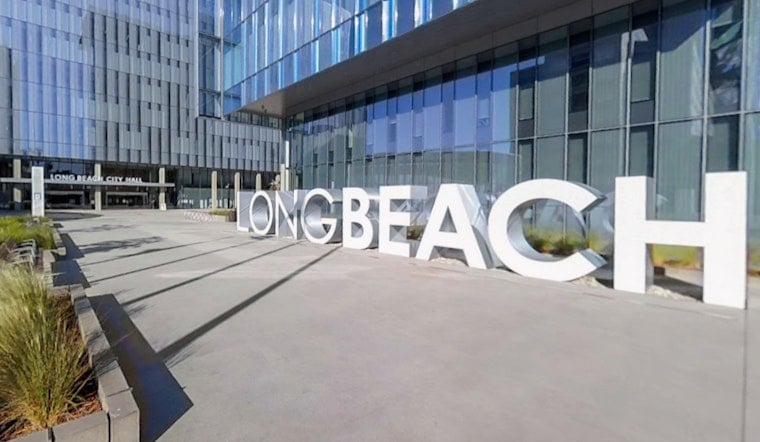
Long Beach is officially dipping a toe into nuclear-powered shipping.
The Port of Long Beach has signed a memorandum of cooperation with the U.S. Maritime Administration to study whether small modular nuclear reactors, or SMRs, could one day power commercial vessels and even parts of the port itself. The agreement puts Long Beach at the center of a federal push to test compact nuclear systems for maritime use, a controversial idea that some see as a potentially fast route to slashing emissions from global shipping. Port officials stress this is an early, exploratory move that does not require either side to buy or deploy any particular reactor technology.
MARAD Administrator Capt. Stephen M. Carmel cast the effort as part of a wider plan to "revitalize U.S. shipbuilding" and bolster long-term energy security, according to the U.S. Department of Transportation. Port of Long Beach CEO Dr. Noel Hacegaba said the deal lets the port "leverage federal leadership and private-sector innovation" as it tries to electrify operations and cut pollution from one of the country’s busiest cargo gateways, as reported by AJOT.
What the memorandum covers
The memorandum sets up a joint work program to examine how SMRs might be used for vessel propulsion, shoreside power hookups, resilient port microgrids and the support infrastructure and workforce these systems would need. It also flags a laundry list of regulatory and inspection issues that would have to be hammered out with the U.S. Coast Guard, Department of Energy and Nuclear Regulatory Commission, according to Port Technology International.
Bluecore's test program at Pier D
Separately, the port already has a lease in place that lets startup Bluecore Energy assemble, test and store prototype "maritime power modules" on port property at 1251 W Pier D Street, a deal detailed in Port of Long Beach Harbor Commission records. Industry coverage shows that Bluecore has delivered a barge and an electric test reactor to the port as it works through engineering and regulatory steps, according to WorkBoat.
Nonbinding agreement and safety review
Officials on both sides are at pains to point out that the memorandum is nonbinding. It does not commit MARAD or the Port of Long Beach to purchase, finance or adopt any particular reactor design. Instead, they say the cooperation agreement will be used to sketch out operational rules, safety benchmarks and inspection processes that would have to be in place before SMR-powered ships could call at U.S. ports, according to MyNewsLA.
Next steps and public comment
The broader MARAD initiative formally launched in May, when the agency issued a request for information on designing and building a U.S. made, commercially viable SMR for the nation’s marine transportation system. The RFI invites technical input and public comment through Aug. 5, 2026. MARAD says it will keep up technical exchanges and work with shipbuilders, insurers and regulators to map out possible deployment paths and gauge regulatory readiness, per the U.S. Department of Transportation.
Community and regulatory questions
In California, anything with the word "nuclear" in it tends to draw a crowd. Environmental organizations, labor groups and lawmakers have already been weighing in on nuclear proposals at state hearings this spring, with testimony from groups including the Long Beach Alliance for Clean Energy and Physicians for Social Responsibility. They have raised concerns about reactor safety, long-term waste storage and overall cost. Those critics say the Long Beach and MARAD partnership is likely to trigger an additional round of local and state scrutiny as the technical work unfolds, according to CalMatters.
For Long Beach, which handles roughly $300 billion in trade each year, the memorandum is meant to test whether advanced energy systems can help decarbonize heavy-duty marine operations without slowing the flow of cargo, as reported by AJOT. The coming months will revolve around technical workshops, regulatory work and public comment that will determine whether this experiment on paper ever turns into real-world demonstrations or full-scale deployment.





