

























































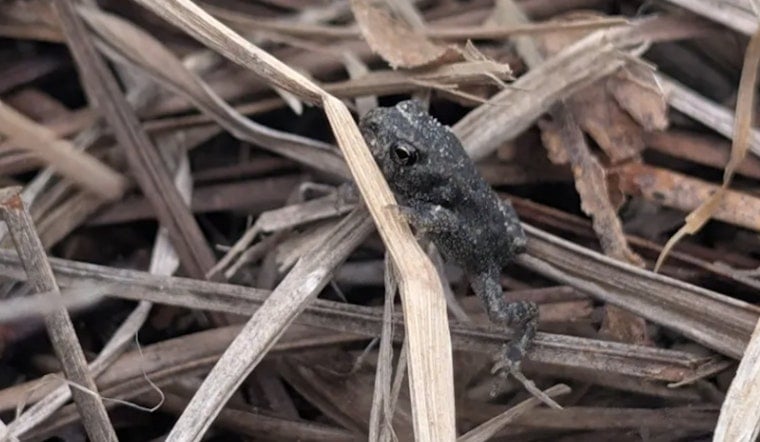
A tiny, brown amphibian that once lent its name to Houston and then quietly vanished from the local landscape is back on the radar. This spring, biologists picked up a male Houston toad on a private property in Bastrop County that had been painstakingly restored for the species. For the crews who have spent years hauling egg strands and reshaping habitat, that single caller is the clearest sign yet that reintroducing eggs and reopening routes between isolated ponds might actually be working.
Big Releases and a Small Sighting
The U.S. Fish and Wildlife Service says the male was detected on land improved through its Partners for Fish and Wildlife program and called the sighting "a big win" for the endangered, froglike creature. According to the agency, it and its partners have reintroduced roughly three million Houston toad eggs across Central Texas in 2026 and placed about 170,000 eggs at three release sites this April, all part of a push to reconnect populations that have been cut off from one another. U.S. Fish and Wildlife Service says the effort is designed to give the species a fighting chance.
Partners Scale Captive Breeding and Releases
For more than two decades, zoos and conservation groups have been breeding Houston toads in captivity and handing over long strands of eggs for release into the wild. The Houston Zoo says it has delivered more than one million eggs into managed ponds this season alone as part of that work. State and park partners also staged large releases at Bastrop State Park earlier this spring as part of the recovery push, with the coordination detailed by the Texas Parks and Wildlife Department. The Houston Zoo has described how its breeding program feeds those carefully timed releases.
Landowners, Mulching and Safe-Harbor Deals
Because most suitable habitat sits behind private fences, the Partners for Fish and Wildlife program has been working deal by deal with landowners. Crews have been mechanically mulching dense thickets, planting native grasses and improving seasonal wetlands so Houston toads have places to move, call and breed instead of running into a wall of brush or bare ground. "We are deeply grateful to the dedicated private landowners and conservation partners who make Houston toad recovery possible," PFW's Texas State coordinator Cyndee Watson said in a statement cited by federal biologists. Program officials report that roughly 2,600 acres are now enrolled under cooperative safe-harbor or conservation agreements, projects that are meant to make life better for toads without punishing the people who own the land.
What a Single Sighting Really Means
The Houston toad has been in trouble for a long time. It was listed under the Endangered Species Act in 1970 and had vanished from Harris County by about 1975, surviving in the wild today primarily in Bastrop County. The species depends on a very particular setup: sandy soils, loblolly pine forest and temporary ponds that fill at the right time. After metamorphosis, an individual toad can travel up to three miles through open forest before returning to water to breed. Those details, and the note that the recent detection came on one of the newly restored parcels, were reported by the Houston Chronicle.
The Long Haul Ahead
Conservationists are quick to point out that one male does not equal a comeback. Thousands of eggs need to survive all the way to adulthood, and it will take years of monitoring and habitat work to know whether the scattered groups of toads are actually reconnecting. State agencies and zoo partners say they plan to keep releasing eggs, expand landowner agreements and watch ponds closely this breeding season and beyond to see whether the released cohorts form sustainable wild populations. The Texas Parks and Wildlife Department has said the Bastrop releases and private-land restorations are aimed squarely at building those long-term connections.





