
























































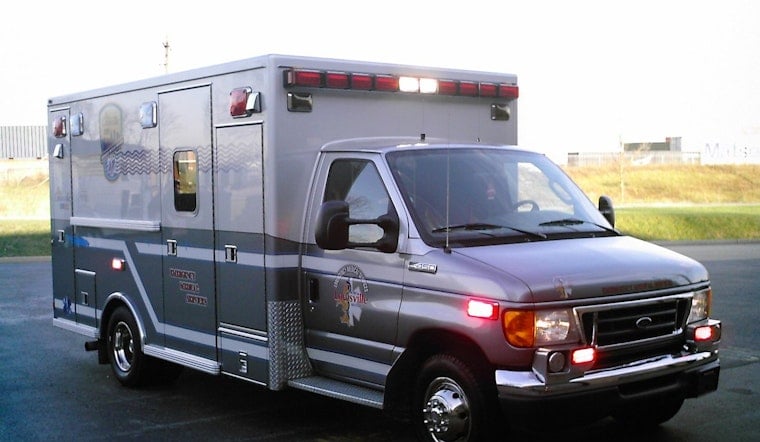
Louisville Metro EMS has crossed a milestone that would have sounded futuristic just a few years ago: the program has reached a 100-unit whole-blood milestone for patients before they reached a hospital. During its first calendar year, crews administered 69 units to 61 patients, with 89% later discharged from the hospital.
Metro EMS marked the 100th unit, according to WDRB. Blood is carried to calls where major blood loss is possible. That includes shootings, stabbings and serious crashes — emergencies where minutes can determine whether a patient makes it to definitive care.
Blood Gets To Trauma Patients Before The ER
Louisville became the first emergency medical provider in Kentucky to offer pre-hospital whole-blood transfusions, according to the Louisville Metro EMS page. During the program's first calendar year, crews administered 69 units to 61 patients, with 89% later discharged from the hospital.
The idea came from trauma medicine's long-running push to stop severe blood loss sooner. In its 2025 rollout announcement, UofL Health said Louisville's program was being built with EMS and the American Red Cross and noted that fewer than 1% of EMS agencies nationwide offered blood before hospital arrival at the time.
Not Every Emergency Call Gets A Blood Unit
Louisville has published clinical guidelines, according to the Kentucky EMS guidelines.
The Louisville milestone comes as the approach spreads beyond the city. WAVE reported in June that Clark County paramedics began carrying Type O blood through an American Red Cross partnership, starting with one storage box and aiming eventually to equip every ambulance in the county.
That expansion suggests Louisville's experiment is becoming part of a broader Kentucky conversation about how much care can safely move from the emergency room to the roadside. For Louisville residents, the immediate takeaway is simpler: in a narrow set of life-threatening calls, treatment can now start before the ambulance arrives at the hospital.
Metro EMS and UofL Health are involved in the blood program, WDRB reported. The program also includes a Metro EMS blood drive and a Red Cross partnership.





